Parent Discovery Resource Center

What Do I Say When My Child Asks Why Grandma Forgets?

By Homer Hartage

You’re not expecting it. Not in the cereal aisle. Not mid‑carpool. Not while you’re trying to keep the day moving. Then your child drops the question like a headline: “Why does Grandma keep forgetting?”

In a split second, you’re juggling two jobs—parent and translator—trying to turn something tender and complicated into words that feel safe. Because this isn’t really a question about memory. It’s a question about belonging. About whether love changes when remembering does. And the way you answer—calmly, simply, and without making it scary—can set the tone for every conversation that follows.

If you’ve been searching, what do I say when my child asks why Grandma forgets? You’re not alone. Parents and caregivers reach for language that protects a child’s sense of safety and love while still acknowledging the change they’re noticing.

“When children ask hard questions, simple words and gentle stories help them feel safe enough to gently understand.”

In moments like these, children are not just asking about memory. They are quietly asking if love, connection, and belonging are still there. A calm, simple response helps ease fear, even if the answer feels small.

Through repeated conversations and story-based guidance, children begin to make sense of what feels confusing. They return to familiar words and moments, building understanding over time while staying anchored in reassurance, love, and emotional safety.

HomerHartageSiteIcon-removebg-preview

Homer L. Hartage

Author, Thought Leader, President & CEO

First, take a breath: what children need most is emotional safety

Children can handle hard topics when they are held in warmth. They don’t need the perfect explanation. They need:

  • a calm adult
  • a few steady, repeatable phrases
  • reassurance that they’re safe and loved
  • permission to ask questions again later
 

Think of this as building a “safe path”, not delivering a one-time speech.

21

How a story helps — and why it’s not “just a book.”

Children process difficult experiences through story. Stories give children language for feelings, emotional distance, structure, and repeatability. That’s why many families look for a children’s book about memory loss that feels gentle and not overwhelming.

HomerHartageSiteIcon-removebg-preview

Homer L. Hartage

Author, Thought Leader, President & CEO

Share this Article

1. Start with what children notice (not labels)

Young children rarely begin with medical terms. They begin with observations:

So begin there—by naming what they see in simple, non-shaming language:

“You noticed something important. Sometimes Grandpa’s remembering is having a hard time.”

32
20

2. Use “truthful small sentences” and repeat them

20

3. Answer the question underneath the question

“Why doesn’t Grandma remember me?” might really mean: Did I stop mattering?

A helpful pattern:

Name the change → Name the feeling → Name the love

“Grandma forgot today. That can feel sad or confusing. But you are still very loved.”

9
9

4. What to say when your child asks, “Why does Grandma forget?”

Then always add reassurance:

9

Heart of it — Love Remains Teachable

Children can handle hard topics when they are held in warmth. They don’t need perfect words. They need you to be steady.

And when you show up with calm, simple language—again and again—you give your child more than an explanation. You give them a safe path. A path they can walk with you as memory changes and love remains.

The story behind the work

Homer’s Story That Shaped All Other Stories

Years into Homer’s work as a professional guardian, he was assigned to an elderly woman with no close family. On paper, she was just another case number. But as Homer sat with her and listened, he noticed a small cardboard box tucked beneath her bed. Inside were a few photographs, old political flyers, handwritten recipe cards, and notes yellowed with time.

Most surprising, among this cluttered box was a financial record, her deceased husband had left an annuity, enough to care for her for the rest of her life. Alzheimer’s had nearly taken this from her.

"Please don't let me be forgotten. Care for me, remember me. This is the call of so many."

PleaseDontLetMeBeForgottenRevised2

Reader Feedback

What Readers Are Saying

Verified Reader

“I read the book “Family & Professional Guardianship” by Homer L. Hartage and found it very helpful. He explains the complicated topic of guardianship in a clear way. He used real-life examples to illustrate different scenarios. I highly recommend this book.”

Grace Michael

Verified Reader

“After reading this book, I have a full understanding of guardianship. This book broke down the steps for me to understand what I need to do to seek guardianship, and it provided resources on how to do it. Absolutely amazing.”

Shirley Simmons

Verified Reader

“Homer Hartage is a man who cares about people. The book is written in clear, precise language that does not require legal knowledge. Organized in a logical, easy-to-follow format with case studies. If you need information about guardianship practices in Florida, this is the book for you.”

Naomi Cooper

Verified Reader

“A good resource for those who want to gain a better understanding of the legal and practical issues concerning guardianship in Florida. The guide is direct and well-organized, with plenty of practical advice that should be helpful to families.”

Metauser

Library

Books By Homer

My writings ensure that no life is reduced to just paperwork, no story disappears without being told, and no family is left navigating responsibility alone.

FamilyProfessionalGuardianship

Family & Professional Guardianship

Provides useful information for individuals, families, and professional guardians, so that they can make informed decisions about the guardianship and care of their loved ones.

Guidance for Guardians

Are you navigating the fog of guardianship responsibilities? This book offers practical solutions grounded in laws and factual insights, ensuring you are never caught off guard.

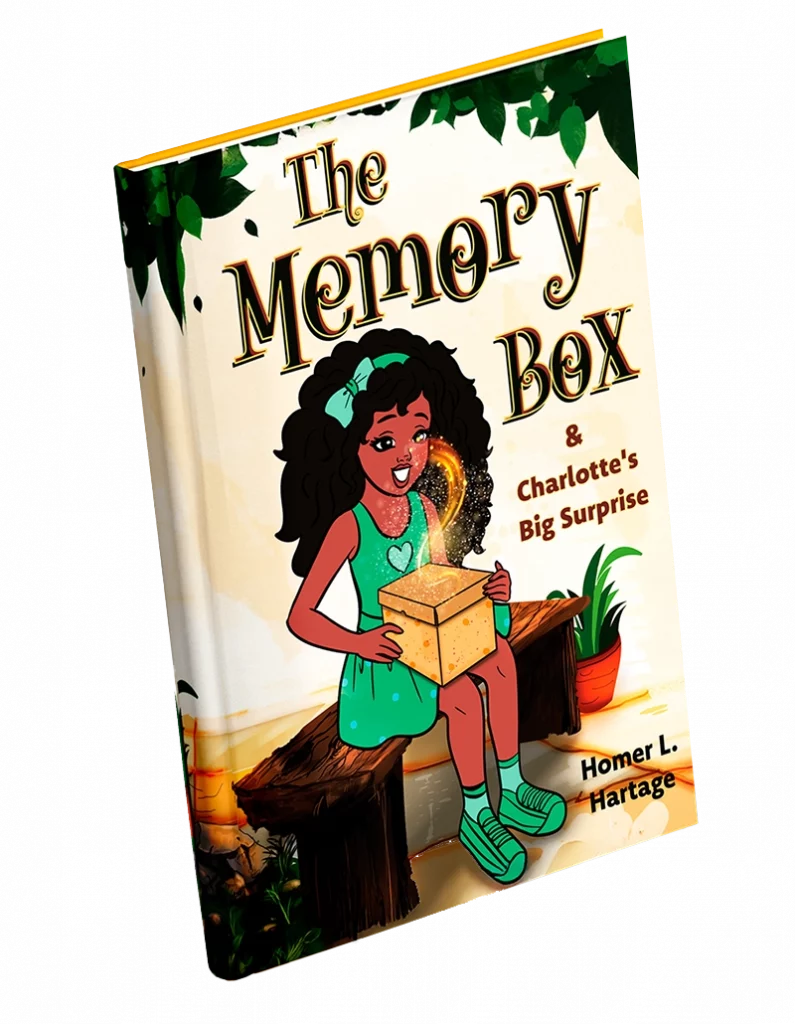
1.TheMemoryBox_BookMockupOne

The Memory Box & Charlotte’s Surprise

A heartwarming story seen through the eyes of a child, exploring the complexities of Alzheimer’s disease, family bonds, and the profound impact of memory loss on young lives.

Story Blurb

When Charlotte’s beloved grandpa no longer recognizes her face, her world crumbles. Armed with a Memory Box filled with photographs, Charlotte embarks on an emotional journey of rediscovery.

1.TheMemoryBox_BookMockupOne
Parentification_MediumResolution

Parentification: Caregivers In Crisis

Every day, countless children step into roles meant for adults. Behind that strength lies a hidden cost: the loss of childhood, unspoken stress, and emotional wounds that can last a lifetime.

When Children Carry Adult Responsibilities

This book shines an unflinching light on the emotional and psychological weight carried by children who are forced to grow up too soon.

Where To Buy

Partner Bookstores

Homer L. Hartage’s books are available through the AgedCare Guardian website and trusted bookstore partners across the United States and internationally, including Amazon, Barnes & Noble, eBay, BAM (Books-A-Million), and ThriftBooks.

Distributed by Ingram

We also encourage you to shop at your neighborhood bookstore.

Scroll to Top