
When a child asks why Grandma forgot their name, repeats the same question, or seems confused during a visit, it can be difficult to know what to say.
You may worry about frightening them. You may wonder how old they are to understand. You may even feel unsure about the changes yourself.
My advice is to keep the explanation honest, gentle, and small enough for the child to carry.
You might say:
“Grandma’s brain is having trouble finding some of her memories. She may forget names or ask the same question more than once. She is not doing it on purpose, and she still loves you.”
A young child does not need every medical detail. They need to know what is happening, that they are safe, and that they did nothing to cause it.
What Does Dementia Mean to a Young Child?
Adults tend to think of memory loss as a medical condition. Children experience it through small, personal moments.
They notice when Grandpa forgets which school they attend. They notice when Grandma tells the same story three times. They may feel hurt when a loved one does not recognise them straight away.
To a child, forgetting can feel like rejection.
That is why I believe the emotional explanation is just as important as the factual one.
You can explain that the brain helps us remember names, faces, places, and experiences. Sometimes illness or changes in the brain make it harder for a person to find those memories.
I often suggest using words such as:
“Grandpa’s brain is having trouble remembering some things.”
“Grandma may forget your name, but that does not mean she has forgotten how much she loves you.”
“She may ask the same question again because the answer did not stay in her memory.”
Keep the explanation connected to something the child has already seen. This makes the conversation easier to understand and less frightening.
It is also important to explain that the person is not choosing to forget. Memory loss is not bad behaviour, laziness, or a lack of love.
Should I Use the Words Dementia or Alzheimer’s?
Parents sometimes avoid the words “dementia” and “Alzheimer’s” because they sound serious. I understand that instinct. We want to protect children from pain.
However, children often know when adults are hiding something.
When a loved one has received a diagnosis, it is usually better to name it in simple language.
You could say:
“Grandma has an illness called dementia. It affects the part of her brain that helps her remember and understand things.”
Or:
“Grandpa has Alzheimer’s disease. It makes remembering harder for him, and it may also change the way he speaks or behaves.”
Using the name of the condition gives the child a word for what they are seeing. It can also prevent them from creating a more frightening explanation in their own mind.
If there is no confirmed diagnosis, avoid guessing. You can still talk about the changes honestly.
You might say:
“We have noticed that Grandma is having more trouble remembering things. The doctors are trying to understand why.”
This tells the truth without giving the child information that the family does not yet have.
A child does not need the entire explanation in one conversation. Give them enough for today. You can add more as they grow and as their questions change.
How to Explain Memory Loss at Different Ages
Children understand illness differently depending on their age, personality, and experience. The words that comfort a four-year-old may not answer the questions of a ten-year-old. Here are the ways you can explain memory loss to children:
Explaining Memory Loss to Children Ages 3 to 5
Young children usually understand what they can see and feel.
Use one or two short sentences. Focus on the person’s behaviour, the child’s safety, and the love that remains.
You might say:
“Grandpa’s brain is poor, and remembering is hard for him.”
“Grandma may forget your name, but she still enjoys being with you.”
“She might say the same thing again. You have not done anything wrong.”
Children at this age may ask the same question many times. This does not mean your first explanation failed. Repetition is how young children make sense of difficult information.
Answer calmly each time.
Explaining Memory Loss to Children Ages 6 to 8
Children in this age group can often understand that an illness affects the brain.
They may want to know why the person forgets, whether the illness will go away, and whether anyone else in the family will develop it.
You could say:
“Grandma has an illness that affects her memory. Her brain has trouble holding on to some information, so she may forget names or repeat questions.”
Make sure the child knows:
- The illness is not their fault.
- They cannot catch it.
- The person is not forgetting on purpose.
- They can still spend time together.
- They can ask questions whenever they need to.
At this age, children may also feel embarrassed if a grandparent behaves differently in public. Let them know that mixed feelings are allowed. They can love someone and still feel uncomfortable, sad, or frustrated.
Explaining Memory Loss to Children Ages 9 to 12
Older children can usually understand more about dementia or Alzheimer’s disease.
They may ask whether the person will get better, what will happen next, and whether the person will eventually forget everyone.
Answer honestly, but do not give more detail than they have asked for.
You might say:
“The doctors cannot cure Grandma’s dementia, and her memory may become weaker over time. We will continue helping her, visiting her, and making sure she is cared for.”
Older children may hide their feelings because they do not want to upset their parents. Give them opportunities to talk without forcing the conversation.
A quiet car journey, a walk, or time spent looking through photographs may make it easier for them to speak.
Seven Steps for Talking to a Child About Dementia
There is no perfect script for every family, but these steps can help you begin.
1. Start With What the Child Has Noticed
Begin with the moment that caused the question.
You could say:
“You noticed that Grandma asked your name several times today.”
This shows the child that you saw what happened too. It also tells them that they are allowed to talk about it.
2. Confirm That Something Has Changed
Avoid telling the child that everything is fine when they can see that it is not.
Children trust adults who speak honestly.
You might say:
“You are right. Grandpa is finding it harder to remember some things.”
This does not need to sound frightening. It simply confirms that the child’s observation was valid.
3. Explain the Change in Simple Words
Use familiar language.
Instead of giving a long description of brain disease, say:
“Her brain has trouble finding some memories.”
“His illness makes it harder for him to remember names.”
“She may become confused about where she is.”
Short explanations are easier for a child to remember and repeat.
4. Say That It Is Not the Child’s Fault
Young children often believe that their words, thoughts, or actions caused something bad to happen.
Tell them directly:
“You did not cause Grandma’s memory problems.”
“She did not forget your name because she is angry with you.”
“Nothing you said or did made this happen.”
Do not assume the child already knows this.
5. Explain That Memory Loss Is Not Contagious
Children may worry that they can catch dementia in the same way they catch a cold.
You can say:
“You cannot catch memory loss by sitting beside Grandpa, hugging him, or sharing food with him.”
This simple reassurance can remove a fear that the child may not know how to express.
6. Make Room for Every Feeling
A child may feel sad one day and annoyed the next. They may laugh during a visit and cry later.
All of those responses can exist together.
You might say:
“It is all right to feel sad, confused, angry, or worried. You can always talk to me about it.”
Try not to correct the emotion or rush the child towards feeling better. Sometimes they need an adult to listen more than they need an answer.
7. Return to the Conversation
Explaining memory loss is not a single talk.
The child’s questions will change as the condition changes. A short explanation today may lead to a deeper question next month.
Let the child know that the subject is not closed.
You can say:
“You can ask me about Grandma whenever you want. If I do not know the answer, I will tell you.”
That final sentence is important. Adults do not need to know everything. Honesty builds more trust than pretending to have every answer.
What Should I Say When My Child Asks Difficult Questions?
Children are often direct. Their questions may feel painful, but they are usually trying to understand what the changes mean for them.
“Why Did Grandma Forget My Name?”
You could say:
“Grandma’s illness makes it hard for her brain to find names. She may need you to remind her. Forgetting your name does not mean she has stopped loving you.”
Try not to test the person by asking, “Do you remember who this is?”
Instead, introduce the child naturally:
“Mom, this is your granddaughter, Lily. She has come to see you.”
This removes pressure from everyone.
“Does Grandpa Still Love Me?”
You could say:
“Yes, Grandpa still loves you. His illness can make it hard for him to remember names or explain his feelings, but love can still be shown through a smile, a touch, or the way he enjoys sitting with you.”
Children often need to hear this more than once.
“Will Grandma Forget Me Completely?”
There is no easy answer to this question.
You could say:
“Grandma may have more trouble recognising people as her illness changes. We cannot know exactly what she will remember. Even when she cannot say your name, she may still feel safe and happy when you are near her.”
This answer is honest without removing hope or promising something you cannot guarantee.
“Why Does She Keep Asking the Same Question?”
You might explain:
“Grandma does not remember that she already asked. To her, the question feels new each time.”
You can encourage patience without making the child responsible for managing the situation.
Say:
“You can answer again if you want to, or you can ask me to help.”
“Why Did Grandpa Get Angry?”
Memory loss can make a person confused, frightened, or frustrated.
You could say:
“Grandpa’s illness can make it hard for him to understand what is happening. Sometimes he may sound angry because he feels confused. It is not because you did something wrong.”
Children should also know they can step away if someone’s behaviour makes them uncomfortable.
“Can I Catch It?”
A simple answer is best:
“No. You cannot catch dementia or Alzheimer’s by being close to someone, hugging them, or spending time with them.”
“Will You Get It Too?”
Avoid making promises about the future.
You might say:
“Most forgetfulness does not mean someone has dementia. I cannot promise what will happen many years from now, but you do not need to worry about that today.”
Then bring the conversation back to the present.
“Will Grandma Get Better?”
When the person has dementia or Alzheimer’s disease, honesty is important.
You could say:
“The doctors can sometimes help with certain symptoms, but they cannot make the illness go away. Grandma may need more help as time passes. Our family will continue caring for her.”
Children deserve the truth, but they do not need every possible future difficulty described at once.
How to Prepare a Child Before Visiting Someone With Memory Loss
A little preparation can make visits feel safer.
Before you go, explain what the child may notice.
You could say:
“Grandma may not remember your name today.”
“Grandpa may tell the same story several times.”
“She may become tired quickly.”
“He may be quieter than you remember.”
Let the child know they do not have to correct the person or prove that a memory is wrong.
If Grandma says she visited someone who died many years ago, a child does not need to argue with her. An adult can gently redirect the conversation.
Also, give the child permission to take a break.
Say:
“If you feel uncomfortable or want to leave the room, come and tell me.”
Visits do not need to be long to have meaning. A short, calm visit can be better than a lengthy visit that leaves the child or the person exhausted.
It may help to bring something familiar, such as:
- A family photograph
- A picture the child has drawn
- A favorite book
- Familiar music
- A small keepsake
- A simple snack
- An item from a Memory Box
These objects can take the pressure away from conversation and give everyone something to share.
How Can Children Stay Connected When Memories Change?
A relationship does not have to depend on being remembered in the way it once was.
Children and loved ones can still share time through simple activities.
They might:
- Look through old photographs
- Listen to familiar songs
- Read a short story together
- Draw or color
- Take a gentle walk
- Fold towels
- Water plants
- Share a snack
- Sing
- Hold hands
- Sit quietly together
The aim is not to test the person’s memory.
Avoid questions such as:
“Do you remember this holiday?”
“Do you remember who gave you this?”
“Do you remember my birthday?”
Try statements instead:
“This is a picture from our beach holiday.”
“You gave me this bear when I was little.”
“We used to sing this song together.”
Statements invite connection without putting the person in a position where they may feel they have failed.
A child may wonder whether a visit still has value if the person forgets it later.
I would tell them this:
“A happy moment still counts, even when someone cannot remember it tomorrow.”
The comfort, laughter, or sense of companionship experienced in that moment is worthwhile.
How to Create a Memory Box With Your Child
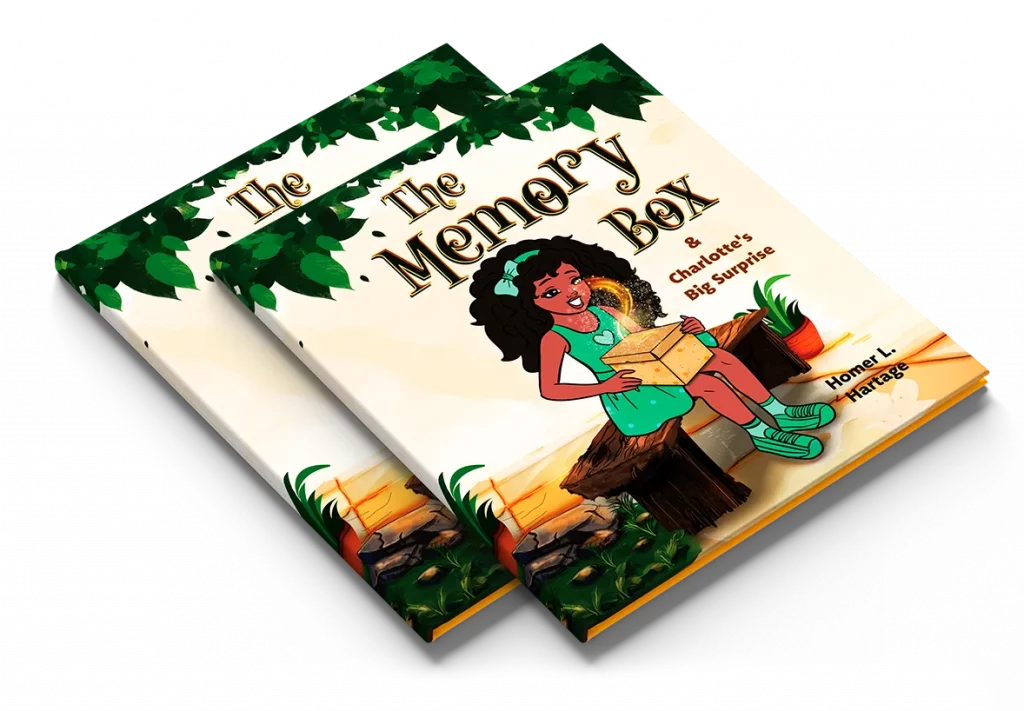
When I wrote The Memory Box & Charlotte’s Big Surprise, I wanted to show children that memories can be held in more than one place.
A Memory Box gives a family a physical place to keep photographs, stories, drawings, and familiar objects. It can help a child talk about change while also celebrating the person they love.
What Can You Put in a Memory Box?
There are no strict rules.
You might include:
- Family photographs
- Birthday cards
- Children’s drawings
- Copies of family recipes
- Letters
- Postcards
- Small keepsakes
- Ticket stubs
- A piece of familiar fabric
- Written family stories
- Song titles
- Notes about family traditions
- A list of favorite foods or sayings
Choose items that are safe to handle and easy to replace if they become lost or damaged.
Let the Child Choose Some of the Items
A Memory Box becomes more meaningful when the child helps create it.
Ask:
“What reminds you of Grandma?”
“Which photograph makes you smile?”
“What story do you want to remember?”
“What would you like Grandpa to know about you?”
The child may choose an object that seems ordinary to an adult. Let it belong. Children often connect memories to small details that grown-ups overlook.
Use the Box During Visits
Bring out one or two items rather than emptying the entire box.
You can say:
“This is the photograph from Charlotte’s birthday.”
“This is the recipe Grandma used to make.”
“This drawing is from your grandson.”
The person may remember the item, respond to the feeling around it, or simply enjoy holding it. All three responses are valuable.
Add New Memories Too
A Memory Box does not have to hold only the past.
Add a photograph from a recent visit. Include a new drawing. Write down something funny that happened.
Memory loss changes family life, but it does not mean the family has stopped creating moments together.
Final Thoughts
No sentence will remove every sadness connected with memory loss. What we can give children is honesty, reassurance, and permission to ask questions.
Tell them what has changed. Tell them they did not cause it. Tell them they are safe. Most of all, remind them that forgetting a name is not the same as losing love.
A person may struggle to remember a child’s birthday, school, or name. They may still recognise kindness. They may still respond to a familiar voice, a gentle hand, a song, or the comfort of someone sitting beside them.
Memories may become harder to reach, but connections can continue in new ways.
That is what I hoped to share through The Memory Box & Charlotte’s Big Surprise. Children do not need perfect words or perfect answers. They need adults who will speak honestly, listen patiently, and help them understand that love can remain present, even when memory begins to fade. You can buy the book from our website.
Frequently Asked Questions
At What Age Should I Explain Memory Loss to a Child?
You can begin as soon as the child notices that something has changed.
The explanation should match their age. A preschool child may need one sentence, while an older child may want to know the name of the condition and what may happen next.
Waiting too long can leave a child confused or frightened.
Should I Tell My Child That the Person Has Dementia?
When there is a confirmed diagnosis, using the word “dementia” can help the child understand that the behaviour comes from an illness.
Explain the word in simple language and connect it to changes the child has already noticed.
How Much Detail Should I Give a Five-Year-Old?
Give only the information they need to understand what they are seeing.
You might say:
“Grandma has an illness that makes remembering difficult. She may forget names or repeat herself, but she still loves being with you.”
Let the child’s questions guide how much more you explain.
What Should I Say if Grandma No Longer Recognises My Child?
You could say:
“Grandma’s illness is making it hard for her to recognise people today. You have not done anything wrong. We can still sit with her, show her your picture, or listen to music together.”
Avoid asking the child to keep reminding the person who they are if it becomes upsetting.
Can Books Help Children Understand Memory Loss?
Yes. A story allows children to see difficult feelings through another child’s experience.
Books can make it easier to begin a conversation about forgetting, family changes, sadness, and love. They can also give children words for questions they have struggled to ask.
How Often Should We Talk About Memory Loss?
Talk whenever the child has a question, notices a new change, or seems worried.
You do not need to schedule a formal conversation every time. Many useful discussions happen during everyday moments, such as driving home after a visit or looking through photographs.
Should My Child Continue Visiting Someone With Dementia?
In many families, visits can remain meaningful when they are planned around the needs of both the child and the person with dementia.
Prepare the child beforehand, keep the visit manageable, and do not force interaction. The child should know they can take a break or leave if they feel uncomfortable.
What Is a Memory Box?
A Memory Box is a collection of photographs, drawings, letters, keepsakes, and family stories.
It can help children preserve memories, begin conversations, and stay connected with someone whose memory is changing.