Parent Discovery Resource Center

Can You Lose a Memory?
A Child-Friendly Answer for Parents

By Homer Hartage

Children ask this question in many ways: “Can you lose a memory? Where does it go? Can Grandma find it again?” When a child notices that someone they love is forgetting, they often treat memory like an object—something that can be misplaced, searched for, or recovered. That’s not wrong. That’s how children make abstract ideas concrete.

If you’ve been searching for a children’s book about memory loss or wondering how to answer your child’s questions about where memories go, this guide gives you calm, simple language you can return to again and again.

“Can you lose a memory?” — A child-friendly response

Children often treat memory like an object. That’s how they make abstract ideas concrete.

Try one of these:
“Sometimes memories don’t disappear. Sometimes they’re just harder to find.”

If your child likes metaphors:
“It can be like when you know a word, but it takes a minute to remember it.”

Then return to what matters most:
“And even if a memory doesn’t show up, love can still be there.”

This helps children separate remembering from loving, which reduces fear.

Start with small moments, not big explanations

Many parents feel pressure to find the perfect way to explain memory loss. But children don’t need a long talk filled with details. What they need is simple language, offered in many small conversations over time.

At home, this might begin with noticing what your child already sees:

  • “Grandma asked that again.”
  • “Grandpa forgot my name.”
  • “Why does she keep forgetting?”

A simple response is enough: “Sometimes remembering is harder for Grandma now.”

Then pause. Let your child respond—or not. Silence often means thinking.

Read the story like a conversation, not a performance

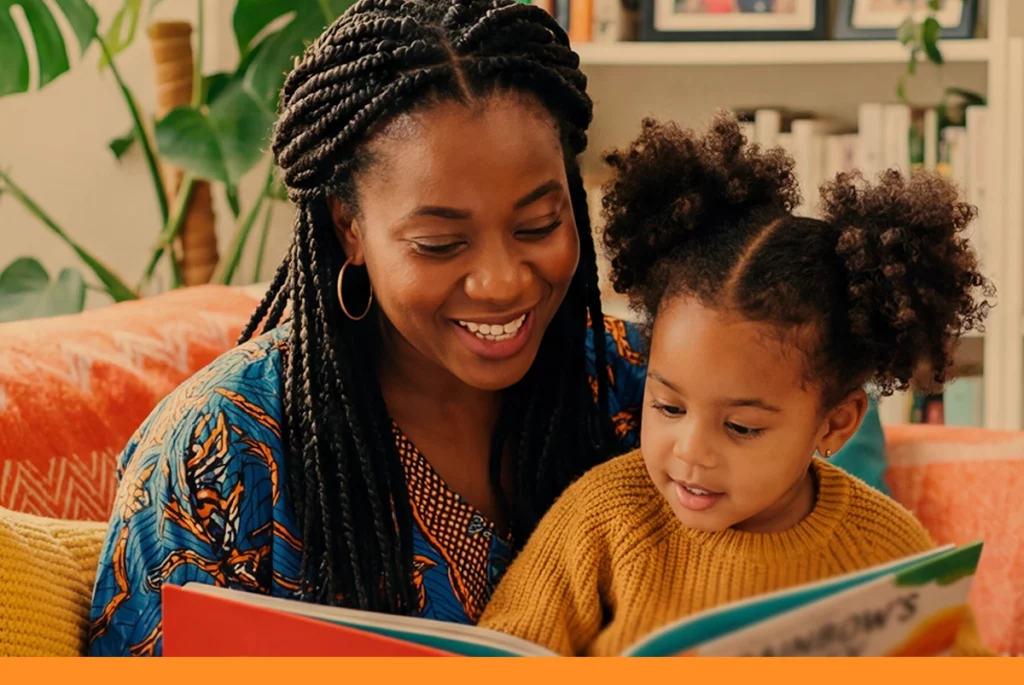
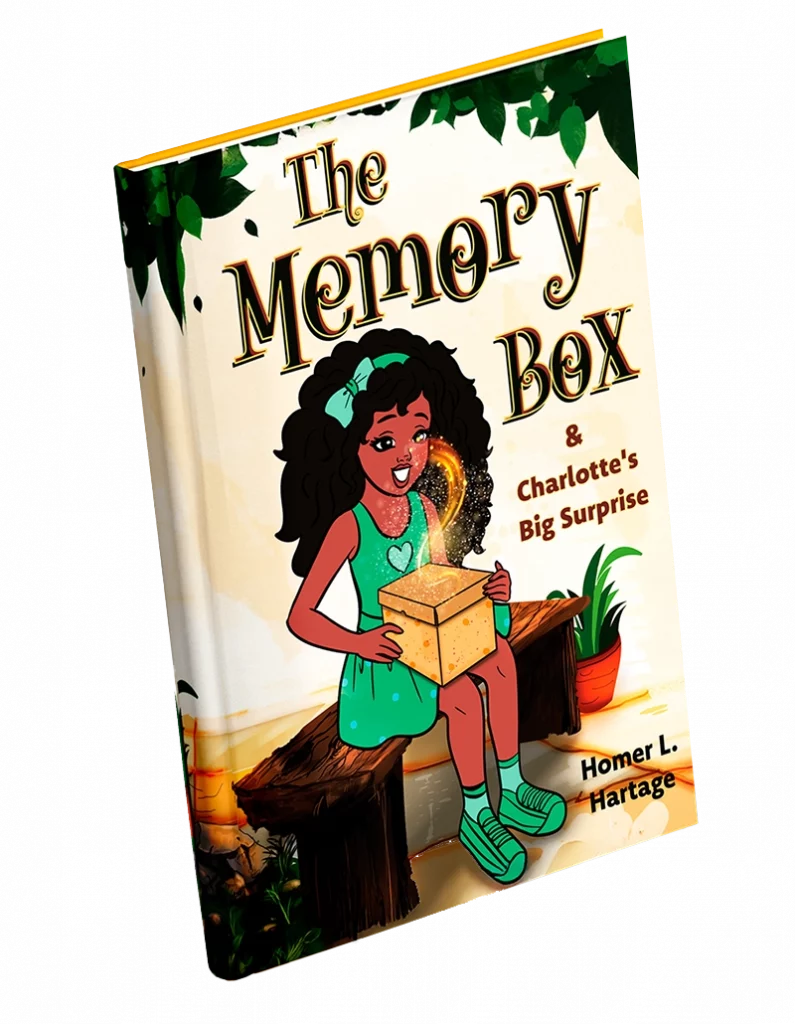
When you read The Memory Box & Charlotte’s Big Surprise at home, slow down. It’s a story that explains memory loss in a child‑friendly way, meant to be returned to.

Pause once or twice to notice feelings:

  • “How do you think Charlotte feels here?”
  • “Does that ever feel familiar to you?”

The goal isn’t discussion—it’s emotional safety.

Back to Parent Discovery Resource Center

Homer L. Hartage
Author, Thought Leader, President & CEO

Share this Article

1. Introduce the Memory Box gently

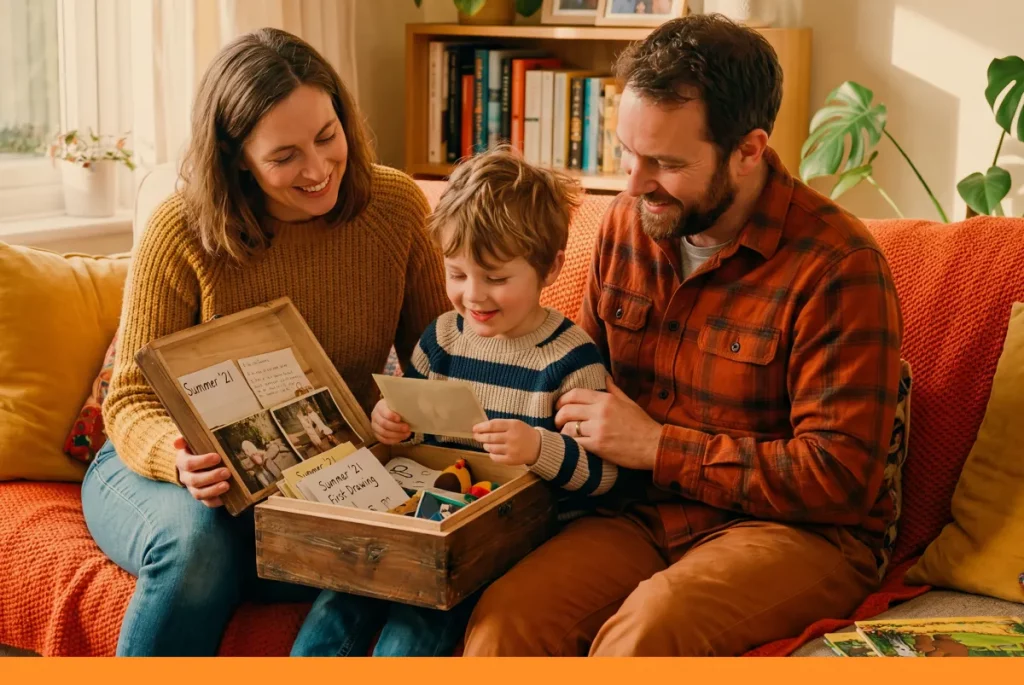
After reading the story once, you can introduce the Memory Box:

“A Memory Box is a place for little reminders of big love.”

A Memory Box can be any small container. What matters is what it represents: a safe place to keep memories, feelings, and reminders of connection.

3. Return to the book and box as life changes

One of the most important things to remember: you don’t use this book once. Children revisit questions as they grow. You might return to the story:

2. Let the child lead the activity

Ask one open, child-centered question: “If you made a Memory Box, what would you put inside?”

At home, start with one item only:

4. Use feelings language—without correcting feelings

As your child adds items to the Memory Box, you can help them name feelings: sad, confused, angry, warm, proud, not sure yet. You don’t need to fix or reframe those feelings. Just naming them is enough.

A Reassuring Note For Parents

Children don’t need perfect explanations. They need a steady presence. This is what makes The Memory Box & Charlotte’s Big Surprise a children’s book that supports guided adult conversations—not because it tells you what to say, but because it gives you something to return to together.

Love stays, even when remembering changes.

Homer’s Story That Shaped All Other Stories

Years into Homer’s work as a professional guardian, he was assigned to an elderly woman with no close family. On paper, she was just another case number. But as Homer sat with her and listened, he noticed a small cardboard box tucked beneath her bed. Inside were a few photographs, old political flyers, handwritten recipe cards, and notes yellowed with time.

Most surprising, among this cluttered box was a financial record, her deceased husband had left an annuity, enough to care for her for the rest of her life. Alzheimer’s had nearly taken this from her.

That rang out to Homer: “Please don’t let me be forgotten, care for me, remember me. This is the call of so many.”

Books By Homer

My writings are to ensure that no life is reduced to just paperwork, no story disappears without being told, and no family is left navigating responsibility alone.

My work resonates with caregivers, families, professionals, and anyone who believes that memory, dignity, and responsibility are essential. My book catalog includes trade and children’s books.

Family & Professional Guardianship

The Memory Box & Charolett’s Surprise

Parentification: Caregivers In Crisis

Partner Bookstores

You have the option to purchase the book on the AgedCare Guardian website or any of our trusted partner bookstores. Simply click below on the brand of your choice and order your copy at our partners’ online stores.

Distributed by IngramSpark and Baker & Taylor.

Parent Discovery Resource Center

Can You Lose a Memory?
A Child-Friendly Answer for Parents

By Homer Hartage

Children ask this question in many ways: “Can you lose a memory? Where does it go? Can Grandma find it again?” When a child notices that someone they love is forgetting, they often treat memory like an object—something that can be misplaced, searched for, or recovered. That’s not wrong. That’s how children make abstract ideas concrete.

If you’ve been searching for a children’s book about memory loss or wondering how to answer your child’s questions about where memories go, this guide gives you calm, simple language you can return to again and again.

“Can you lose a memory?” — A child-friendly response

Children often treat memory like an object. That’s how they make abstract ideas concrete.

Try one of these:
“Sometimes memories don’t disappear. Sometimes they’re just harder to find.”

If your child likes metaphors:
“It can be like when you know a word, but it takes a minute to remember it.”

Then return to what matters most:
“And even if a memory doesn’t show up, love can still be there.”

This helps children separate remembering from loving, which reduces fear.

Start with small moments, not big explanations

Many parents feel pressure to find the perfect way to explain memory loss. But children don’t need a long talk filled with details. What they need is simple language, offered in many small conversations over time.

At home, this might begin with noticing what your child already sees:

  • “Grandma asked that again.”
  • “Grandpa forgot my name.”
  • “Why does she keep forgetting?”

A simple response is enough: “Sometimes remembering is harder for Grandma now.”

Then pause. Let your child respond—or not. Silence often means thinking.

Read the story like a conversation, not a performance

When you read The Memory Box & Charlotte’s Big Surprise at home, slow down. It’s a story that explains memory loss in a child‑friendly way, meant to be returned to.

Pause once or twice to notice feelings:

  • “How do you think Charlotte feels here?”
  • “Does that ever feel familiar to you?”

The goal isn’t discussion—it’s emotional safety.

1. Introduce the Memory Box gently

After reading the story once, you can introduce the Memory Box:

“A Memory Box is a place for little reminders of big love.”

A Memory Box can be any small container. What matters is what it represents: a safe place to keep memories, feelings, and reminders of connection.

2. Let the child lead the activity

Ask one open, child-centered question: “If you made a Memory Box, what would you put inside?”

At home, start with one item only:

3. Return to the book and box as life changes

One of the most important things to remember: you don’t use this book once. Children revisit questions as they grow. You might return to the story:

4. Use feelings language—without correcting feelings

As your child adds items to the Memory Box, you can help them name feelings: sad, confused, angry, warm, proud, not sure yet. You don’t need to fix or reframe those feelings. Just naming them is enough.

A Reassuring Note For Parents

Children don’t need perfect explanations. They need a steady presence. This is what makes The Memory Box & Charlotte’s Big Surprise a children’s book that supports guided adult conversations—not because it tells you what to say, but because it gives you something to return to together.

Love stays, even when remembering changes.

Back to Parent Discovery Resource Center

Homer L. Hartage
Author, Thought Leader, President & CEO

Share this Article

Homer’s Story That Shaped All Other Stories

Years into Homer’s work as a professional guardian, he was assigned to an elderly woman with no close family. On paper, she was just another case number. But as Homer sat with her and listened, he noticed a small cardboard box tucked beneath her bed. Inside were a few photographs, old political flyers, handwritten recipe cards, and notes yellowed with time.

Most surprising, among this cluttered box was a financial record, her deceased husband had left an annuity, enough to care for her for the rest of her life. Alzheimer’s had nearly taken this from her.

That rang out to Homer: “Please don’t let me be forgotten, care for me, remember me. This is the call of so many.”

Books By Homer

My writings are to ensure that no life is reduced to just paperwork, no story disappears without being told, and no family is left navigating responsibility alone.

My work resonates with caregivers, families, professionals, and anyone who believes that memory, dignity, and responsibility are essential. My book catalog includes trade and children’s books.

Family & Professional Guardianship

The Memory Box & Charolett’s Surprise

Parentification: Caregivers In Crisis

Partner Bookstores

You have the option to purchase the book on the AgedCare Guardian website or any of our trusted partner bookstores. Simply click below on the brand of your choice and order your copy at our partners’ online stores.

Distributed by IngramSpark and Baker & Taylor.