Parent Discovery Resource Center
How to Explain Memory Loss to a Young Child
By Homer Hartage
When your child looks up at you and says something like, “Why did Grandma forget my name?” it can stop you in your tracks. You may feel a rush of emotions—sadness, worry, even anger that your family has to face this. And at the same time, you’re trying to choose words carefully: honest but not scary, comforting but not dismissive.
If you’ve been searching for how to explain memory loss to a young child, you’re not alone. Parents and caregivers reach for language that protects a child’s sense of safety and love while still acknowledging the change they’re noticing.
This pillar page is here to help you do three things well:
- Use simple, child-friendly language that fits early elementary development.
- Keep the conversation open over time (because this is rarely a single talk).
- Stay centered on connection and love, even when remembering changes.

I’ll also share how a children’s book about memory loss can become a repeatable tool—something you return to gently as your child grows. And if you’re looking for a story that explains memory loss in a child-friendly way, I’ll show you how to use a story as your “safe bridge” into conversation.
First, take a breath: what children need most is emotional safety
Children can handle hard topics when they are held in warmth. They don’t need the perfect explanation. They need:
- a calm adult
- a few steady, repeatable phrases
- reassurance that they’re safe and loved
- permission to ask questions again later
Think of this as building a “safe path”, not delivering a one-time speech.
“That’s a good question. Let me think about the best way to say it.”
I’m not ignoring you. I’m here. I’m thinking. You can ask.
“Stories help children understand what feels too big to explain, one gentle moment at a time.”
Through stories, children find a safe way to explore change without feeling overwhelmed.
Instead of facing difficult ideas all at once, they can return to familiar characters, simple language, and shared moments that make sense over time.
This story-based approach, supported by thoughtful guidance, helps children build understanding gradually while feeling comforted, secure, and deeply connected to the people around them.
Over time, these story moments become a gentle bridge, helping children return, ask, and understand at their own pace.
Related Questions — Explore These Resources
Back to Parent Discovery Resource Center

Homer L. Hartage
Author, Thought Leader, President & CEO
Share this Article

1. Start with what children notice (not labels)
Young children rarely begin with medical terms. They begin with observations:
- “Grandpa asked that again.”
- “Grandma forgot my name.”
- “He looked at me like I was a stranger.”
- “She got upset and I didn’t know why.”
So begin there—by naming what they see in simple, non-shaming language:
“You noticed something important. Sometimes Grandpa’s remembering is having a hard time.”
This approach helps in two ways at once:
- It validates your child’s reality
- And it separates the person from the problem
Your child doesn’t have to interpret forgetting as rejection.
3. Answer the question underneath the question
Children’s questions often have a hidden meaning. The words might be about memory, but the feeling underneath is often about love and safety.
“Why doesn’t Grandma remember me?” might really mean: Did I stop mattering?
A helpful pattern for answering is:
Name the change → Name the feeling → Name the love
“Grandma forgot today. That can feel sad or confusing. But you are still very loved.”
That’s the kind of sentence a child can carry.

2. How a story helps — and why it’s not “just a book”
Children process difficult experiences through story. A children’s book about memory loss that feels gentle and not overwhelming gives children language for feelings, emotional distance, and repeatability.
And if you’re specifically looking for a story that explains memory loss in a child-friendly way, a story can do something, conversation alone sometimes cannot: it lowers the emotional temperature. It creates space.
4. Use “truthful small sentences” and repeat them
Children learn emotional understanding through repetition. When topics feel big, short phrases are a lifeline:
- “Sometimes remembering is hard right now.”
- “That can feel confusing.”
- “You didn’t do anything wrong.”
- “Love stays, even when remembering changes.”
- “We can still be close in new ways.”
You don’t need to say them all at once. In fact, it’s better if you don’t. Choose one or two phrases you can repeat calmly over time.
The goal is to give your child something stable to stand on.
Heart of it — Love Remains Teachable
Children can handle hard topics when they are held in warmth. They don’t need perfect words. They need you to be steady.
And when you show up with calm, simple language—again and again—you give your child more than an explanation. You give them a safe path. A path they can walk with you as memory changes and love remains.
Homer’s Story That Shaped All Other Stories
Years into Homer’s work as a professional guardian, he was assigned to an elderly woman with no close family. On paper, she was just another case number. But as Homer sat with her and listened, he noticed a small cardboard box tucked beneath her bed. Inside were a few photographs, old political flyers, handwritten recipe cards, and notes yellowed with time.
Most surprising, among this cluttered box was a financial record, her deceased husband had left an annuity, enough to care for her for the rest of her life. Alzheimer’s had nearly taken this from her.
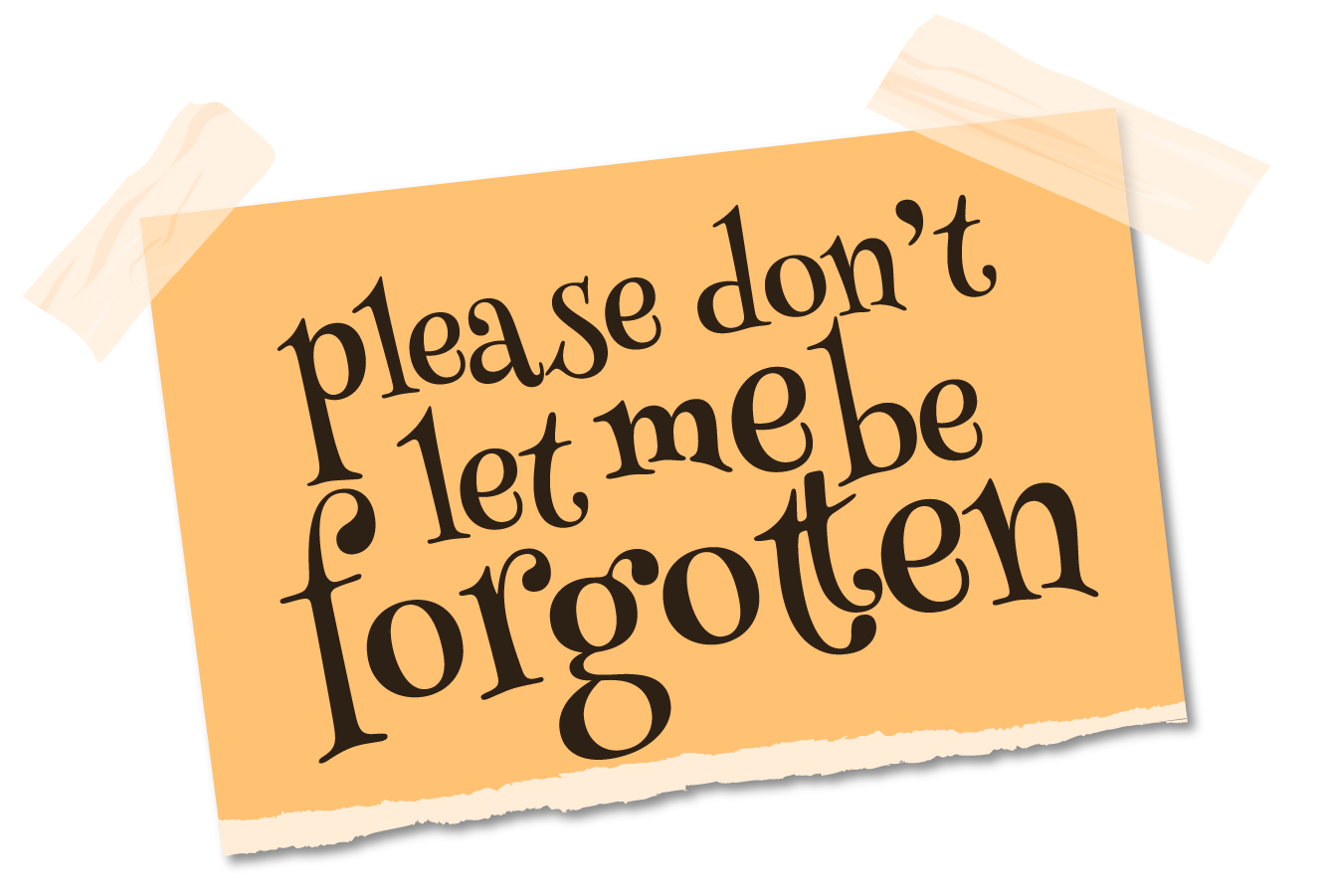
That rang out to Homer: “Please don’t let me be forgotten, care for me, remember me. This is the call of so many.”
Book Reviews
I read the book “Family & Professional Guardianship” by Homer L. Hartage and found it very helpful. I liked that the author explains the complicated topic of guardianship in a clear way that I can understand. He used real-life examples to illustrate the different scenarios that can arise during the guardianship process.
I found it very helpful that the book also discusses the different types of guardianship, such as family guardianship and professional guardianship, and their pros and cons, which can help (me) (people) decide which type is best for the situation. I highly recommend this book because it’s informative and provides valuable insights and guidance for both family members and professionals.
Grace Michael
After reading this book, I have a full understanding of guardianship. This book broke down the steps for me to understand what I need to do to seek guardianship, and it provided resources on how to do it.
This book is absolutely amazing and provides all the knowledge of successfully taken care of a loved one through a guardianship program or being a guardian yourself. Thank you so much.
Shirley Simmons
I met Homer Hartage in 1990 and my first impression still holds true – Homer Hartage is a man who cares about people. Family and Professional Guardianship endeavors to help not only people who are unable to take care of themselves but also those who care for them. Knowledge is power and whether you are seeking this information for personal or professional use, this is a comprehensive source for you.
The book is written in clear, precise language that does not require legal knowledge to understand. The book is organized in a logical, easy-to-follow format and gives case studies which show how the process works. If you need information about guardianship practices in Florida, this is the book for you.
Naomi Cooper
This is a good resource for those who want to gain a better understanding of the legal and practical issues concerning guardianship in Florida. I liked the level of details on the various types of guardianship and the entire process, from determining incapacity to the appointment of guardians.
Overall, the guide is direct and well-organized, with plenty of practical advice that should be helpful to families seeking guardianship services or those interested in becoming guardians.
Metauser
Books By Homer
My writings are to ensure that no life is reduced to just paperwork, no story disappears without being told, and no family is left navigating responsibility alone.
My work resonates with caregivers, families, professionals, and anyone who believes that memory, dignity, and responsibility are essential. My book catalog includes trade and children’s books.
Family & Professional Guardianship
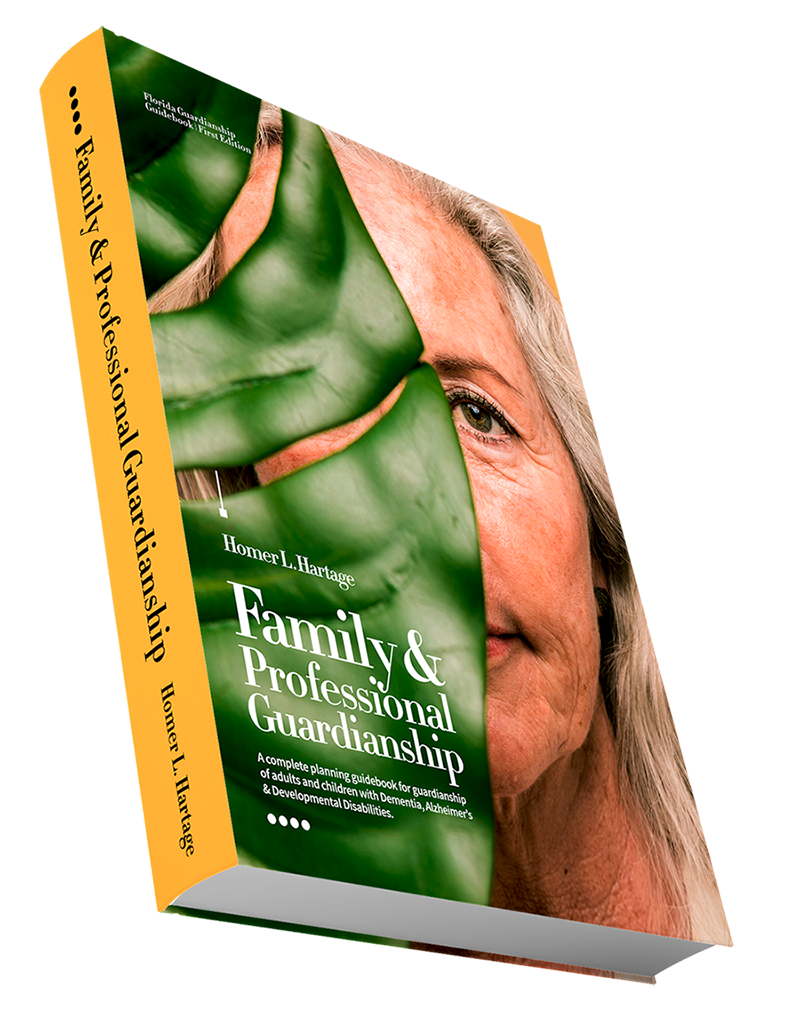
Provides useful information for individuals, families, and professional guardians, so that they can make informed decisions about the guardianship and care of their loved ones. Taking on the challenge of guardianship is huge. It can happen to anyone at any time.
Guidance for Guardians: Are you navigating the fog of guardianship responsibilities? Fear not. This book offers practical solutions grounded in laws and factual insights, ensuring you are never caught off guard.
Whether you are a seasoned guardianship lawyer, a devoted family member, or a professional guardian, this book provides a comprehensive overview of guardianship. It covers the essentials, from applicable statutes to the legal framework governing guardianship. In it, you will explore diverse guardianship scenarios, including information about guardianship of minors, incapacitated adults, mental health guardianship, standby guardianship, property and asset protection, alternatives to guardianship, and conservatorship.
Read more about the book or click here to view and download the Marketing & Media Kit.
Available at leading bookstores across the United States and internationally. You can purchase the book directly via the AgedCare Guardian website or through any of our trusted partner bookstores, including Amazon, Barnes & Noble, eBay, BAM (Books-A-Million), ThriftBooks, and more.
Distributed by IngramSpark and Baker & Taylor. Order Your Copy Now in Paperback or Hardback.
The Memory Box & Charlotte’s Surprise
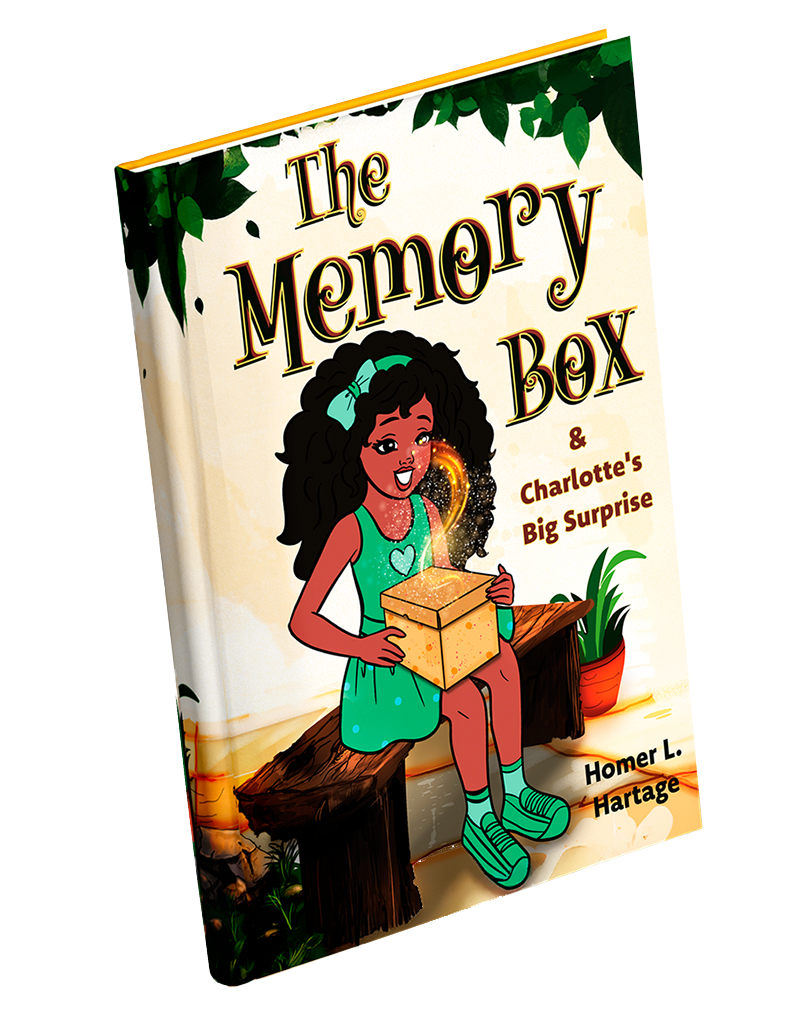
The Memory Box is a heartwarming story seen through the eyes of a child, exploring the complexities of Alzheimer’s disease, family bonds, and the profound impact of memory loss on young lives. This book is an excellent resource for explaining dementia and Alzheimer’s to children.
Story Blurb: When Charlotte’s beloved grandpa no longer recognizes her face or remembers her cherished name, her world crumbles in confusion. Desperate to reclaim their unbreakable bond, Charlotte embarks on a race against time to reawaken the memories that have slipped away from her grandpa. Armed with a Memory Box filled with photographs and treasured moments, Charlotte embarks on an emotional journey of rediscovery, fueled by the hope that her grandpa will remember her again.
When Charlotte shares stories and sings their favorite song, a flicker of recognition sparks in her grandpa’s eyes, leading to a heartwarming and triumphant ending that celebrates the enduring power of love and the resilience of the human spirit.
Read more about the book or click here to view and download the Marketing & Media Kit.
Available at leading bookstores across the United States and internationally. You can purchase the book directly via the AgedCare Guardian website or through any of our trusted partner bookstores, including Amazon, Barnes & Noble, eBay, BAM (Books-A-Million), ThriftBooks, and more.
Distributed by IngramSpark and Baker & Taylor. Order Your Copy Now.
Parentification: Caregivers In Crisis
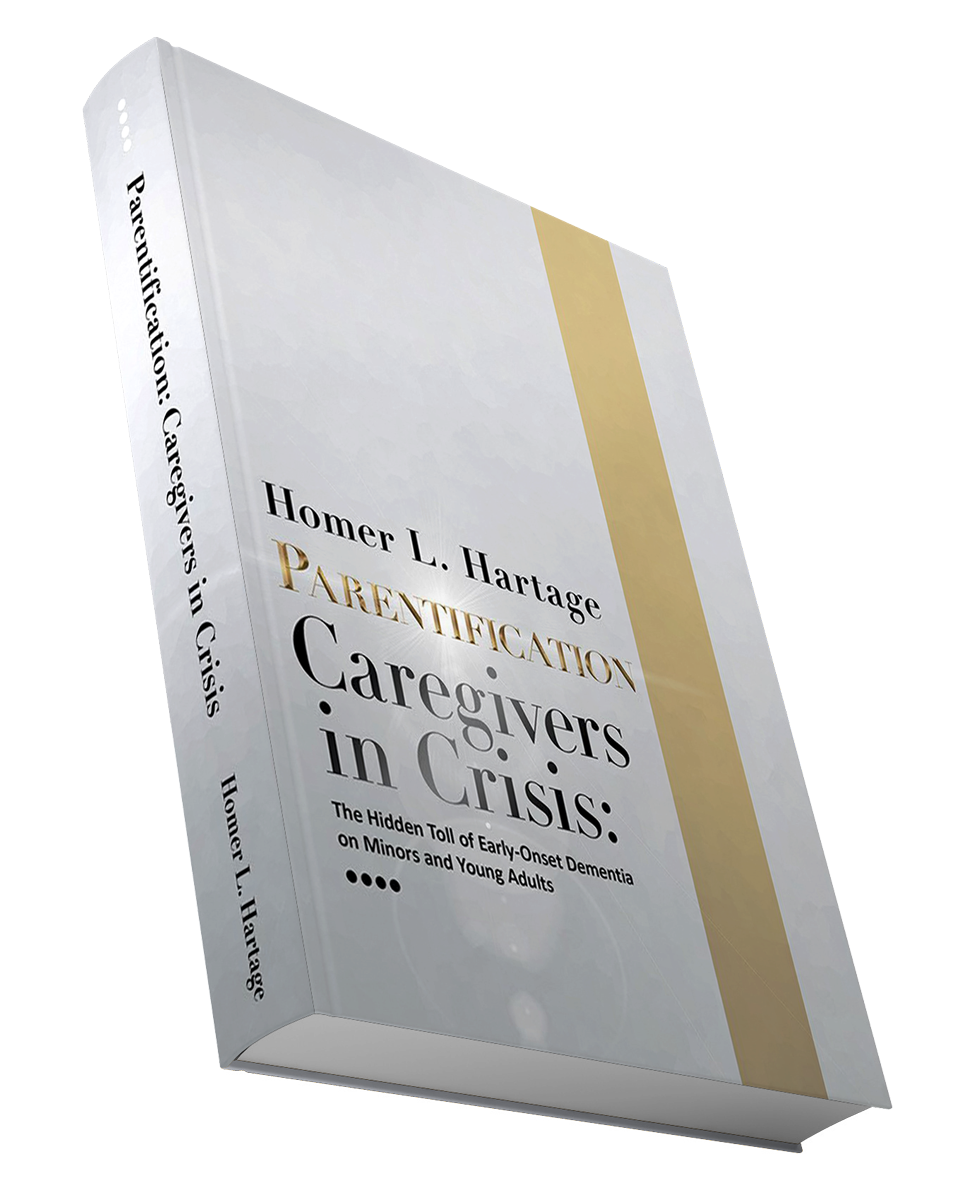
Every day, countless children step into roles meant for adults—managing households, caring for siblings, or supporting a struggling parent. They appear strong, capable, even “wise beyond their years.” But behind that strength lies a hidden cost: the loss of childhood, unspoken stress, and emotional wounds that can last a lifetime.
Through powerful stories and clear insight, Homer Hartage reveals how family systems collapse, why children step in, and what happens when their needs go unnoticed.
This is more than a book—it’s a wake-up call. A reminder that no child should carry adult burdens alone. And a powerful invitation to protect the next generation before the cycle continues.
When Children Carry Adult Responsibilities
Parentification: Caregivers In Crisis shines an unflinching light on the emotional and psychological weight carried by children who are forced to grow up too soon. These young caregivers often move silently through life—cooking meals, managing medications, stabilizing chaotic households, or providing emotional support to parents who are overwhelmed, ill, or unable to cope. While the world may see them as “mature for their age,” few recognize the hidden cost: the loss of childhood, chronic anxiety, fractured identity, and long-term emotional scars that can stretch far into adulthood.
Coming Fall 2026 — A must-read for parents, educators, professionals, social workers, and anyone committed to safeguarding children. Read more about the book.
Partner Bookstores
You have the option to purchase the book on the AgedCare Guardian website or any of our trusted partner bookstores. Simply click below on the brand of your choice and order your copy at our partners’ online stores.
Distributed by IngramSpark and Baker & Taylor.













Parent Discovery Resource Center
How to Explain Memory Loss to a Young Child
By Homer Hartage
When your child looks up at you and says something like, “Why did Grandma forget my name?” it can stop you in your tracks. You may feel a rush of emotions—sadness, worry, even anger that your family has to face this. And at the same time, you’re trying to choose words carefully: honest but not scary, comforting but not dismissive.
If you’ve been searching for how to explain memory loss to a young child, you’re not alone. Parents and caregivers reach for language that protects a child’s sense of safety and love while still acknowledging the change they’re noticing.
This pillar page is here to help you do three things well:
- Use simple, child-friendly language that fits early elementary development.
- Keep the conversation open over time (because this is rarely a single talk).
- Stay centered on connection and love, even when remembering changes.
I’ll also share how a children’s book about memory loss can become a repeatable tool—something you return to gently as your child grows. And if you’re looking for a story that explains memory loss in a child-friendly way, I’ll show you how to use a story as your “safe bridge” into conversation.
First, take a breath: what children need most is emotional safety
Children can handle hard topics when they are held in warmth. They don’t need the perfect explanation. They need:
- a calm adult
- a few steady, repeatable phrases
- reassurance that they’re safe and loved
- permission to ask questions again later
Think of this as building a “safe path”, not delivering a one-time speech.
“That’s a good question. Let me think about the best way to say it.”
I’m not ignoring you. I’m here. I’m thinking. You can ask.
1. Start with what children notice (not labels)
Young children rarely begin with medical terms. They begin with observations:
- “Grandpa asked that again.”
- “Grandma forgot my name.”
- “He looked at me like I was a stranger.”
- “She got upset and I didn’t know why.”
So begin there—by naming what they see in simple, non-shaming language:
“You noticed something important. Sometimes Grandpa’s remembering is having a hard time.”
This approach helps in two ways at once:
- It validates your child’s reality
- And it separates the person from the problem
Your child doesn’t have to interpret forgetting as rejection.
2. How a story helps — and why it’s not “just a book”
Children process difficult experiences through story. A children’s book about memory loss that feels gentle and not overwhelming gives children language for feelings, emotional distance, and repeatability.
And if you’re specifically looking for a story that explains memory loss in a child-friendly way, a story can do something, conversation alone sometimes cannot: it lowers the emotional temperature. It creates space.
3. Answer the question underneath the question
Children’s questions often have a hidden meaning. The words might be about memory, but the feeling underneath is often about love and safety.
“Why doesn’t Grandma remember me?” might really mean: Did I stop mattering?
A helpful pattern for answering is:
Name the change → Name the feeling → Name the love
“Grandma forgot today. That can feel sad or confusing. But you are still very loved.”
That’s the kind of sentence a child can carry.
4. Use “truthful small sentences” and repeat them
Children learn emotional understanding through repetition. When topics feel big, short phrases are a lifeline:
- “Sometimes remembering is hard right now.”
- “That can feel confusing.”
- “You didn’t do anything wrong.”
- “Love stays, even when remembering changes.”
- “We can still be close in new ways.”
You don’t need to say them all at once. In fact, it’s better if you don’t. Choose one or two phrases you can repeat calmly over time.
The goal is to give your child something stable to stand on.
Heart of it — Love Remains Teachable
Children can handle hard topics when they are held in warmth. They don’t need perfect words. They need you to be steady.
And when you show up with calm, simple language—again and again—you give your child more than an explanation. You give them a safe path. A path they can walk with you as memory changes and love remains.
“Stories help children understand what feels too big to explain, one gentle moment at a time.”
Through stories, children find a safe way to explore change without feeling overwhelmed.
Instead of facing difficult ideas all at once, they can return to familiar characters, simple language, and shared moments that make sense over time.
This story-based approach, supported by thoughtful guidance, helps children build understanding gradually while feeling comforted, secure, and deeply connected to the people around them.
Over time, these story moments become a gentle bridge, helping children return, ask, and understand at their own pace.
Related Questions — Explore These Resources
Back to Parent Discovery Resource Center
Homer L. Hartage
Author, Thought Leader, President & CEO
Share this Article
Homer’s Story That Shaped All Other Stories
Years into Homer’s work as a professional guardian, he was assigned to an elderly woman with no close family. On paper, she was just another case number. But as Homer sat with her and listened, he noticed a small cardboard box tucked beneath her bed. Inside were a few photographs, old political flyers, handwritten recipe cards, and notes yellowed with time.
Most surprising, among this cluttered box was a financial record, her deceased husband had left an annuity, enough to care for her for the rest of her life. Alzheimer’s had nearly taken this from her.
That rang out to Homer: “Please don’t let me be forgotten, care for me, remember me. This is the call of so many.”
Book Reviews
I read the book “Family & Professional Guardianship” by Homer L. Hartage and found it very helpful. I liked that the author explains the complicated topic of guardianship in a clear way that I can understand. He used real-life examples to illustrate the different scenarios that can arise during the guardianship process.
I found it very helpful that the book also discusses the different types of guardianship, such as family guardianship and professional guardianship, and their pros and cons, which can help (me) (people) decide which type is best for the situation. I highly recommend this book because it’s informative and provides valuable insights and guidance for both family members and professionals.
Grace Michael

Book Reviews
After reading this book, I have a full understanding of guardianship. This book broke down the steps for me to understand what I need to do to seek guardianship, and it provided resources on how to do it.
This book is absolutely amazing and provides all the knowledge of successfully taken care of a loved one through a guardianship program or being a guardian yourself. Thank you so much.
Shirley Simmons
Book Reviews
I met Homer Hartage in 1990 and my first impression still holds true – Homer Hartage is a man who cares about people. Family and Professional Guardianship endeavors to help not only people who are unable to take care of themselves but also those who care for them. Knowledge is power and whether you are seeking this information for personal or professional use, this is a comprehensive source for you.
The book is written in clear, precise language that does not require legal knowledge to understand. The book is organized in a logical, easy-to-follow format and gives case studies which show how the process works. If you need information about guardianship practices in Florida, this is the book for you.
Naomi Cooper
Book Reviews
This is a good resource for those who want to gain a better understanding of the legal and practical issues concerning guardianship in Florida. I liked the level of details on the various types of guardianship and the entire process, from determining incapacity to the appointment of guardians.
Overall, the guide is direct and well-organized, with plenty of practical advice that should be helpful to families seeking guardianship services or those interested in becoming guardians.
Metauser
Books By Homer
My writings are to ensure that no life is reduced to just paperwork, no story disappears without being told, and no family is left navigating responsibility alone.
My work resonates with caregivers, families, professionals, and anyone who believes that memory, dignity, and responsibility are essential. My book catalog includes trade and children’s books.
Family & Professional Guardianship
Provides useful information for individuals, families, and professional guardians, so that they can make informed decisions about the guardianship and care of their loved ones. Taking on the challenge of guardianship is huge. It can happen to anyone at any time.
Guidance for Guardians: Are you navigating the fog of guardianship responsibilities? Fear not. This book offers practical solutions grounded in laws and factual insights, ensuring you are never caught off guard.
Whether you are a seasoned guardianship lawyer, a devoted family member, or a professional guardian, this book provides a comprehensive overview of guardianship. It covers the essentials, from applicable statutes to the legal framework governing guardianship. In it, you will explore diverse guardianship scenarios, including information about guardianship of minors, incapacitated adults, mental health guardianship, standby guardianship, property and asset protection, alternatives to guardianship, and conservatorship.
Read more about the book or click here to view and download the Marketing & Media Kit.
Available at leading bookstores across the United States and internationally. You can purchase the book directly via the AgedCare Guardian website or through any of our trusted partner bookstores, including Amazon, Barnes & Noble, eBay, BAM (Books-A-Million), ThriftBooks, and more.
Distributed by IngramSpark and Baker & Taylor. Order Your Copy Now in Paperback or Hardback.
The Memory Box & Charlotte’s Surprise
The Memory Box is a heartwarming story seen through the eyes of a child, exploring the complexities of Alzheimer’s disease, family bonds, and the profound impact of memory loss on young lives. This book is an excellent resource for explaining dementia and Alzheimer’s to children.
Story Blurb: When Charlotte’s beloved grandpa no longer recognizes her face or remembers her cherished name, her world crumbles in confusion. Desperate to reclaim their unbreakable bond, Charlotte embarks on a race against time to reawaken the memories that have slipped away from her grandpa. Armed with a Memory Box filled with photographs and treasured moments, Charlotte embarks on an emotional journey of rediscovery, fueled by the hope that her grandpa will remember her again.
When Charlotte shares stories and sings their favorite song, a flicker of recognition sparks in her grandpa’s eyes, leading to a heartwarming and triumphant ending that celebrates the enduring power of love and the resilience of the human spirit.
Read more about the book or click here to view and download the Marketing & Media Kit.
Available at leading bookstores across the United States and internationally. You can purchase the book directly via the AgedCare Guardian website or through any of our trusted partner bookstores, including Amazon, Barnes & Noble, eBay, BAM (Books-A-Million), ThriftBooks, and more.
Distributed by IngramSpark and Baker & Taylor. Order Your Copy Now.
Parentification: Caregivers In Crisis
Every day, countless children step into roles meant for adults—managing households, caring for siblings, or supporting a struggling parent. They appear strong, capable, even “wise beyond their years.” But behind that strength lies a hidden cost: the loss of childhood, unspoken stress, and emotional wounds that can last a lifetime.
Through powerful stories and clear insight, Homer Hartage reveals how family systems collapse, why children step in, and what happens when their needs go unnoticed.
This is more than a book—it’s a wake-up call. A reminder that no child should carry adult burdens alone. And a powerful invitation to protect the next generation before the cycle continues.
When Children Carry Adult Responsibilities
Parentification: Caregivers In Crisis shines an unflinching light on the emotional and psychological weight carried by children who are forced to grow up too soon. These young caregivers often move silently through life—cooking meals, managing medications, stabilizing chaotic households, or providing emotional support to parents who are overwhelmed, ill, or unable to cope. While the world may see them as “mature for their age,” few recognize the hidden cost: the loss of childhood, chronic anxiety, fractured identity, and long-term emotional scars that can stretch far into adulthood.
Coming Fall 2026 — A must-read for parents, educators, professionals, social workers, and anyone committed to safeguarding children. Read more about the book.
Partner Bookstores
You have the option to purchase the book on the AgedCare Guardian website or any of our trusted partner bookstores. Simply click below on the brand of your choice and order your copy at our partners’ online stores.
Distributed by IngramSpark and Baker & Taylor.