
Curriculum & Educator Resource Center
Adoption &
Implementation
Guide
This page exists to answer one clear question: How is The Memory Box & Charlotte’s Big Surprise actually used—in real homes, real classrooms, and real support settings?
The book was intentionally created not as a one‑time story but as a repeatable tool that supports children through memory changes, family transitions, and emotionally complex moments.
This guide outlines how to implement the book with clarity, consistency, and confidence.
If you’re a parent wondering how to talk to your child about memory changes, visit:
If you’re specifically asking how to explain memory loss to a young child, start with:
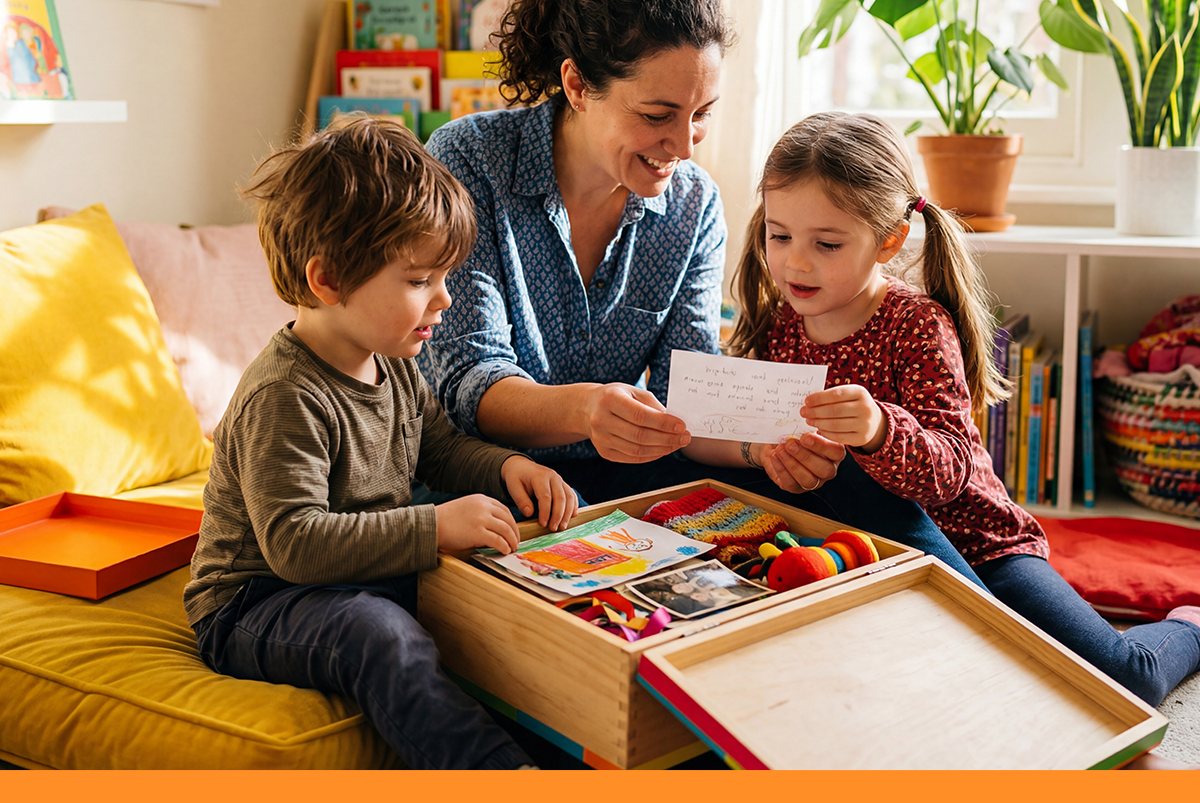
What makes this book adoptable
The Memory Box & Charlotte’s Big Surprise is a picture book with curriculum‑based memory activities, designed for repeated use across settings.
It is adoptable because it:
Core implementation principle: safety first
If a child feels safe, they can process hard things. If they do not feel safe, they cannot.
This approach does not aim to “teach” memory change. It aims to create a safe container where children can notice change, express emotion, and return to reassurance.
How to read the book (implementation standard)
The book should be read slowly and intentionally, not rushed. Implementation guidelines:
Recommended prompt: “What do you think Charlotte is feeling right now?”
Adult responses should be brief and validating:
How the word “Alzheimer’s” is handled
The book includes one page that uses the word Alzheimer’s. This is intentional and carefully contained.
Recommended language: “In this story, we learn that some grown‑ups have a word for when remembering gets harder. That word is Alzheimer’s. It means remembering doesn’t always work the same way every day. But love doesn’t go away—even when remembering feels tricky.”
Follow with:
For more on why the book uses this word and how it’s handled safely for young readers, see:
For parent guidance on explaining Alzheimer’s to a young child, see:
District Adoption Summary
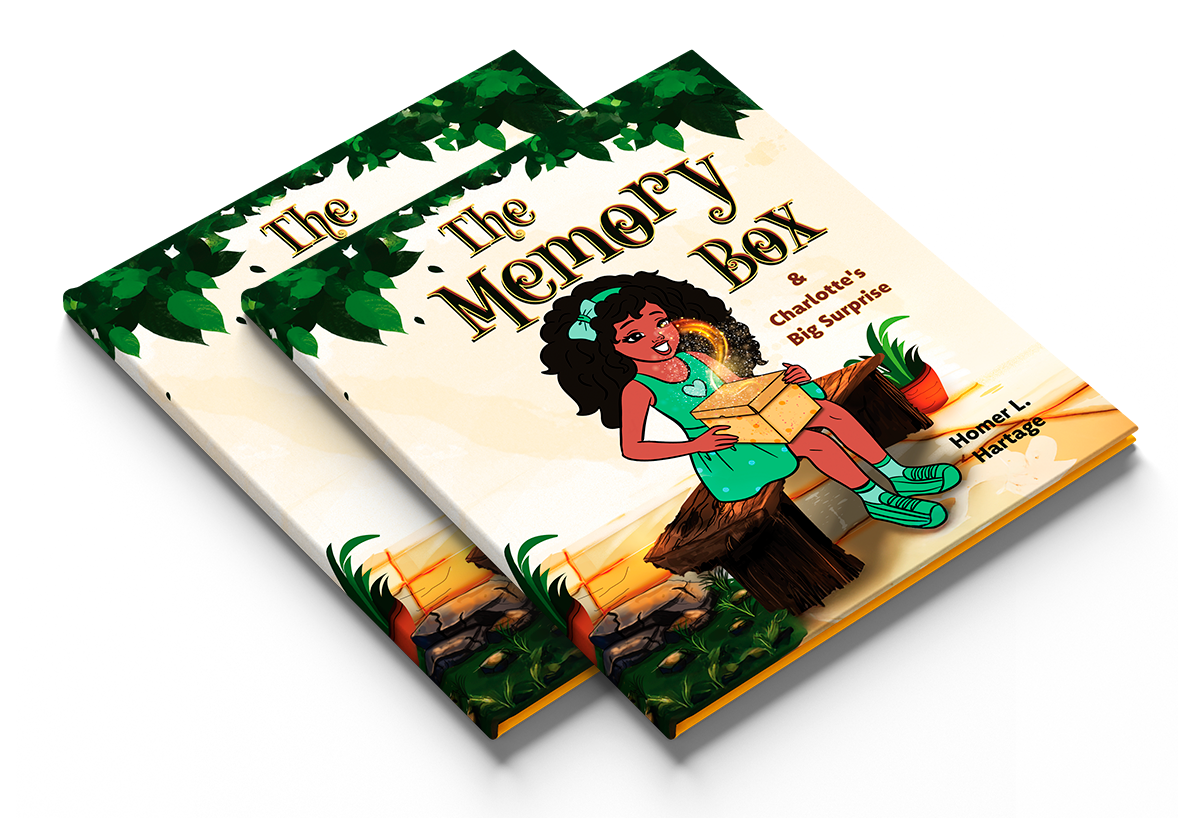
Program Overview
The Memory Box & Charlotte’s Big Surprise is a curriculum‑supported children’s book and instructional framework designed to help elementary students understand memory changes, emotions, and enduring family connection in developmentally appropriate, non‑clinical ways.
The program pairs a high‑quality picture book with structured, repeatable learning activities that support reading comprehension, social‑emotional learning (SEL), communication, and age‑appropriate writing. It is intentionally designed for flexible implementation across classrooms, counseling settings, libraries, and family engagement initiatives.
This resource is not a single‑use lesson. It is an enduring tool that can be revisited as students’ understanding and emotional literacy grow over time.
Intended Grade Levels: Grades 2–5
Activities are scaffolded across grade levels to ensure: age‑appropriate language and discussion; increasing rigor in reading, writing, and reasoning; and emotional safety for all learners.
Instructional Design Strengths
Implementation Models
Summary Statement (For Board or Committee Review)
The Memory Box & Charlotte’s Big Surprise offer districts a research‑aligned, developmentally appropriate, and flexible instructional resource that integrates literacy and social‑emotional learning.
Designed for repeated use rather than one‑time exposure, it supports students, educators, and families with a shared language for navigating memory changes and emotional growth in safe, meaningful ways.
Adoption Summary
The Memory Box & Charlotte’s Big Surprise are repeatable, adaptable, and developmentally appropriate tool that helps adults support children through memory change with calm, clarity, and care.
A story opens the door. A Memory Box keeps it open.
This Adoption & Implementation Guide exists so families, educators, and counselors can use the book with confidence—again and again, whenever the next question arrives.
“A story may begin the conversation, but a thoughtful approach helps it continue with care and confidence.”
When supporting children through change, it is not about finding perfect words. It is about creating a safe, steady way to return to the conversation over time.
This approach works because it is simple, repeatable, and grounded in emotional safety. Children are given space to notice, feel, and understand at their own pace.
The Memory Box becomes more than an activity. It offers a consistent, gentle routine that children can return to whenever questions or feelings arise.
Across homes, classrooms, and support settings, the same core principles apply. Calm language, small steps, and reassurance help children feel secure and supported.
Adults do not need to have all the answers at once. A steady presence, combined with simple, honest responses, is what children need most.
This guide provides a clear path for using the story and activity with confidence, whether in everyday moments or more structured environments.
Over time, these repeated, gentle experiences help children build understanding, emotional resilience, and a lasting sense of connection, even as circumstances change.
Back to Curriculum & Educator Resource Center

Homer L. Hartage
Author, Thought Leader, President & CEO
Share this Article
Homer’s Story That Shaped All Other Stories
Years into Homer’s work as a professional guardian, he was assigned to an elderly woman with no close family. On paper, she was just another case number. But as Homer sat with her and listened, he noticed a small cardboard box tucked beneath her bed. Inside were a few photographs, old political flyers, handwritten recipe cards, and notes yellowed with time.
Most surprising, among this cluttered box was a financial record, her deceased husband had left an annuity, enough to care for her for the rest of her life. Alzheimer’s had nearly taken this from her.
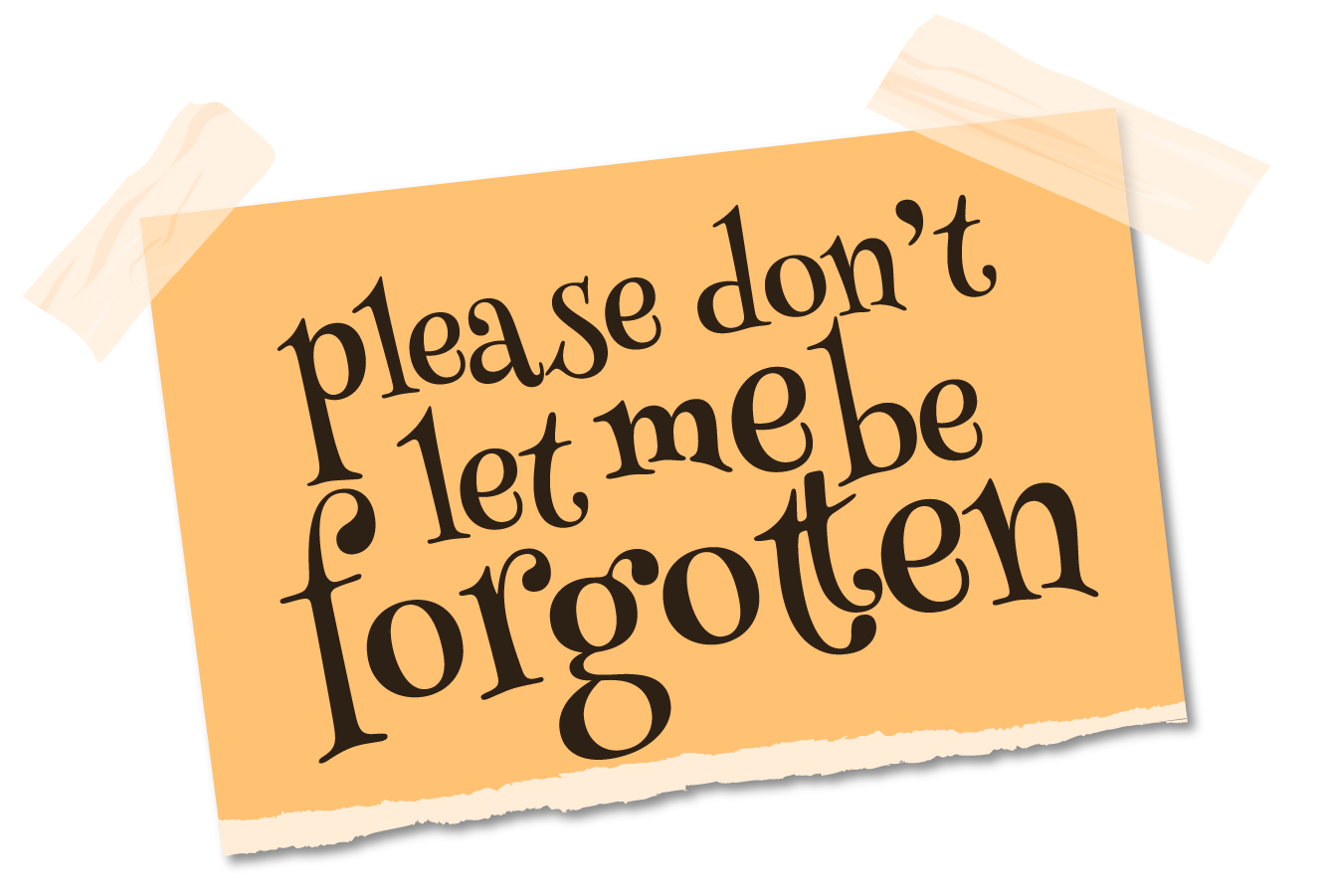
That rang out to Homer: “Please don’t let me be forgotten, care for me, remember me. This is the call of so many.”
Testimonials
Engulfed with despair, fear, anxiety, restless nights, and overwhelming sense of helplessness. Those feelings crippled me daily, not knowing what next steps to take, I felt like I was on a deserted island, not wanting to fail my loved one. Thankfully a family member put me in touch with Mr. Homer Hartage. All those negative feelings dissipated after having just one conversation.
Mr. Hartage gave a detailed explanation of my options, which allowed me to make informed decisions about the best options for my family. Again, thank you so much Mr. Hartage for picking up the phone to answer my questions and putting my mind at ease, thank you for sharing your wisdom and knowledge. Finally, thank you, sir, for your kindness. During the most stressful times in my life, you answered my call for help. May God shower you and your family with continuous blessings.
The Feacher/Blackshear Family
Honestly, if you work in healthcare and have a resident who needs a guardian I have the most amazing person, Homer Hartage. Never, EVER have I seen such love and devotion to a client in my life… it takes a lot to impress me because I have such high standards… my mind is blown. Please let him know if you should have a need for a guardian. Your client / resident truly could not be in better hands. He’s simply amazing. So refreshing to see a guardian treat their client like a loved one instead of a pay check or commodity…. I’ve never seen anything like it in my life… and I’ve been doing this a minute.
Robyn Edelstein
Owner Robyn’s Referrals
Homer Hartage is extremely passionate and dedicated to providing a service to others. I have watched Homer in action over the years. He will make sure that every measure has been taking for the safety of providing a quality service to all. His kindness along with his knowledge of delivering the best healthcare services are absolutely outstanding.
Shirley Simmons
CEO Abstract Expressionist Artist
There are not enough great things to say about Homer, feeling safe with him is made so easy. He is extremely culturally sensitive, always on time, and has your best interest at heart. He will work overtime just to make sure you and your family have everything they could ever want. Homer has become a part of my family and I feel so honoured to know him. We are glad he is our guardian.
He communicated well with the family and made sure everyone is up to date and informed. At the end of the day, he always makes the right decisions.
Leila Tiles-Lasanta
Administrative Nurse Manager
Clinical Coordinator Nurse Residency Program
Hudson Regional Hospital Secausus,NJ
Books By Homer
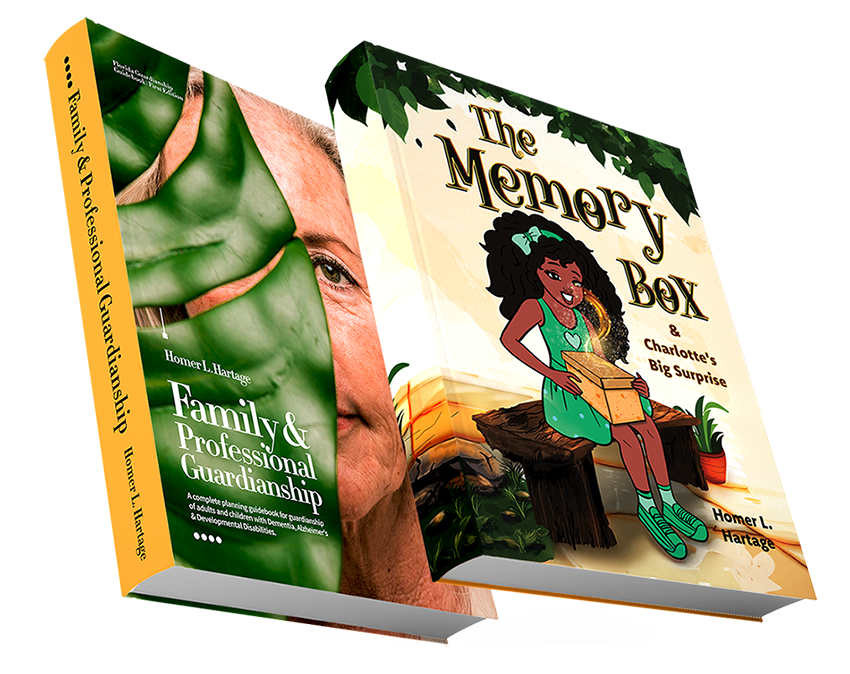
My writings are to ensure that no life is reduced to just paperwork, no story disappears without being told, and no family is left navigating responsibility alone.
My work resonates with caregivers, families, professionals, and anyone who believes that memory, dignity, and responsibility are essential. My book catalog includes trade and children’s books.
Partner Bookstores
You have the option to purchase the book on the AgedCare Guardian website or any of our trusted partner bookstores. Simply click below on the brand of your choice and order your copy at our partners’ online stores.
Distributed by IngramSpark and Baker & Taylor.