Curriculum & Educator Resource Center

Curriculum & Educator FAQ

Teachers preparing to lead The Memory Box curriculum for the first time tend to ask a similar set of questions. Here are direct answers.

Do I need any special training to teach this unit?

No. The curriculum was specifically designed so that a classroom teacher with no background in grief counseling, dementia care, or clinical child psychology can lead it confidently. Each lesson plan includes discussion prompts, activity instructions, and guidance on what to say if a student becomes emotional, everything is scripted enough to prepare from cold, but flexible enough to adapt to your specific classroom.

What if a student becomes visibly upset during the lesson?

This happens sometimes, and it’s not a sign the lesson is going wrong, often it means the material has connected with something real in a student’s life. The curriculum guide includes language for acknowledging a student’s reaction without singling them out (“It’s okay to feel sad when we talk about this, lots of people do”), and suggests having a quiet, private follow-up available (a hallway check-in, a note to the school counselor) rather than pausing the whole class to address one student’s reaction in the moment. If you know in advance that a student in your class has a family member with dementia or a recent loss, it’s worth giving that student, and possibly their parent, a heads-up before the lesson.

What if a parent has concerns about the topic?

Sending a short note home before the unit begins, describing the book, the goal of the lesson, and reassuring parents that the approach is gentle and age-appropriate, resolves the vast majority of concerns before they arise. If a specific parent objects, most schools’ standard opt-out or alternative-assignment policies for sensitive topics apply here as they would for any other unit. In practice, parent concerns are rare once they understand the material is about connection and communication, not a clinical lesson on disease.

How does this curriculum align with social-emotional learning (SEL) standards?

The lessons are built around core SEL competencies, self-awareness (identifying and naming feelings), social awareness (recognizing a family member’s changing needs), and relationship skills (finding words for a hard conversation). While the specific standards vary by state and framework, the discussion questions and reflection activities in each lesson plan map naturally onto the self-awareness and social-awareness domains found in most SEL frameworks (including CASEL-aligned curricula). If your school requires standards documentation for curriculum approval, the Adoption & Implementation Guide includes guidance on cross-referencing these lessons with your specific framework.

Can I use this curriculum if my class doesn’t include any students currently affected by dementia or memory loss?

Yes, in fact, most classrooms fall into this category, and that’s exactly the point. The goal isn’t only to support a student currently going through this; it’s to build empathy and vocabulary in every student, so that when a classmate, a grandparent, or eventually the student’s own family experiences memory loss, they already have a frame for understanding it. Teachers consistently report that even students with no direct connection to the topic engage deeply with Charlotte’s story.

How long does each lesson take?

The five-day plan is designed for standard class periods across five consecutive days (or spread across a week, if your schedule doesn’t allow five in a row). The one-day plan condenses the same core discussion and activity into a single session, typically 45-60 minutes, making it suitable for a library period, an advisory block, or a single counselor visit.

Do I need to buy a class set of the book, or is one copy enough?

A single copy is sufficient for a read-aloud format, which is how the curriculum is designed to be led, the teacher reads the story aloud while students follow the illustrations, rather than each student reading independently. Some schools do choose to purchase a small class set or add the book to the classroom library so students can revisit it independently after the lesson, which many students want to do.

What materials do I need for the Memory Box activity?

The hands-on activity, building a simple Memory Box, similar to the one in the story, typically uses basic classroom supplies: a small box or container (shoeboxes work well), paper, drawing materials, and optionally photographs or mementos students bring from home. The full lesson plans include a specific materials list for your grade level.

Is this curriculum appropriate for students with a parent or grandparent currently in hospice or end-of-life care?

The curriculum can be adapted for this situation, though we recommend coordinating with your school counselor beforehand if you know a student is in this circumstance. The story focuses on connection and memory rather than illness progression or death directly, which most educators find makes it usable even in classrooms where a student’s situation is quite advanced, but a private check-in with that student’s family ahead of time is a reasonable precaution.

Can this curriculum be used outside a traditional classroom, in a hospital school, grief camp, or support group setting?

Yes. Several of the settings that have used this curriculum are exactly that, hospital-based education programs, bereavement camps, and family support groups. The one-day format in particular adapts well to settings outside a standard classroom, since it’s self-contained and doesn’t depend on a week-long school schedule.

Where can I get the actual lesson plan documents?

The full curriculum, overview, five-day plans, and one-day plans, each available by grade level, is available for download from the Curriculum & Educator Resource Center.

My school is considering adopting this district-wide. What should we know before committing?

Our Adoption & Implementation Guide walks through exactly this, ordering books at scale, training staff who’ll lead the unit, coordinating with counselors, and communicating with families before rollout.

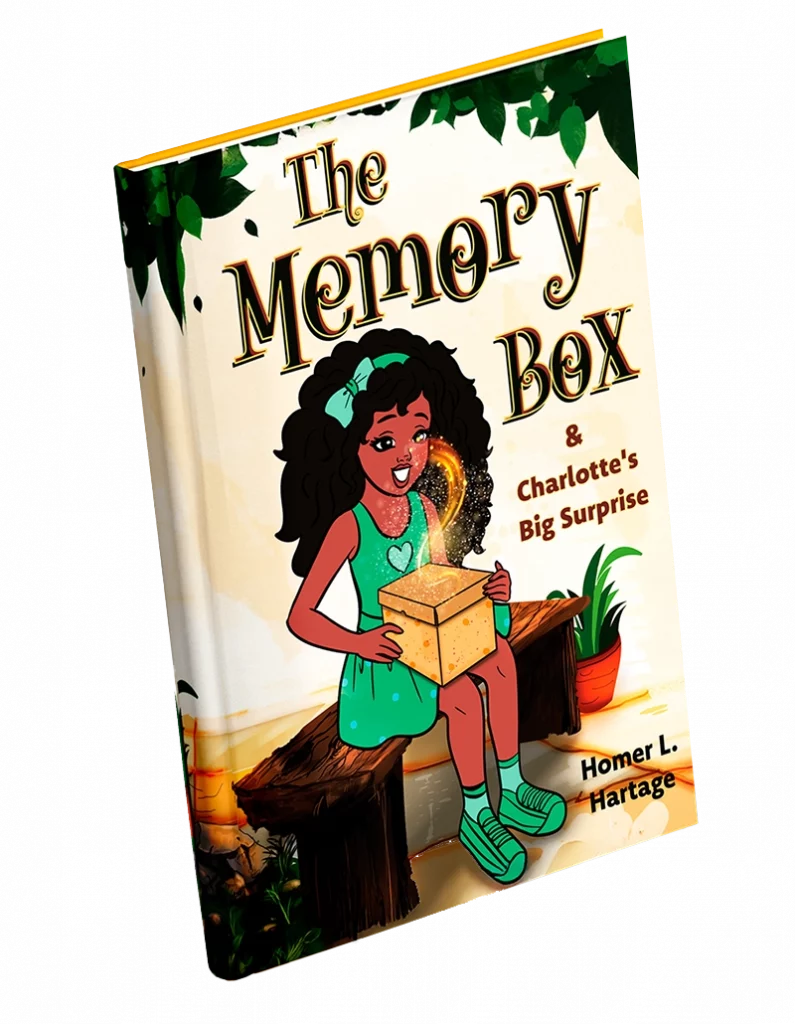
1.TheMemoryBox_BookMockupOne

The Memory Box & Charlotte’s Surprise

A heartwarming story seen through the eyes of a child, exploring the complexities of Alzheimer’s disease, family bonds, and the profound impact of memory loss on young lives.

Story Blurb

When Charlotte’s beloved grandpa no longer recognizes her face, her world crumbles. Armed with a Memory Box filled with photographs, Charlotte embarks on an emotional journey of rediscovery.

1.TheMemoryBox_BookMockupOne

Where To Buy

Partner Bookstores

Scroll to Top