Curriculum & Educator Resource Center

A Guide for School Counselors and Library Media Specialists

Classroom teachers usually meet The Memory Box as a planned unit, taught to an entire class over a set number of days. School counselors and library media specialists tend to encounter it differently, sometimes reaching for it in the moment a specific student needs it, sometimes introducing it to an entire grade level in a single library period. This guide is built around those specific settings.

Why Counselors and Librarians Use This Book Differently

A counselor’s relationship with a student is often one-on-one or small-group, and often reactive, a teacher flags a student who seems distracted or withdrawn, a parent calls to say a grandparent’s diagnosis has upset the whole family, or a student brings it up unprompted during an unrelated check-in. A librarian, meanwhile, frequently has just one period with an entire class and needs a self-contained lesson that doesn’t depend on follow-up days.

Both roles benefit from a shorter, more flexible entry point than the full five-day classroom unit, which is exactly what the one-day curriculum plans were designed to provide.


42
51

Using The Memory Box in One-on-One Counseling Sessions

When you’re working with a single student who’s currently navigating a grandparent’s or parent’s memory loss, the book can anchor a much more personal conversation than a classroom read-aloud allows:

  • Let the student set the pace. Some students want to talk through every page; others want to move quickly to the Memory Box activity itself.
  • Use Charlotte’s specific experience as a bridge to the student’s own, “Charlotte noticed her grandpa forgot her name. Has anything like that happened with your grandma?”, rather than asking direct, open-ended questions that can feel harder to answer.
  • Building an actual Memory Box together, with photos or drawings the student chooses, often surfaces more than direct conversation does. Many counselors find the activity itself does more emotional work than the discussion around it.
  • Keep the door open for return visits. This isn’t a one-session fix, let the student know they can come back to talk more, or revisit the book, whenever they want to.
51

Using The Memory Box in Small-Group Counseling

For a small group of students, whether grouped because they share a similar family experience, or as part of a broader social-emotional skills group, the five-day plan’s individual lessons can be pulled apart and used piecemeal across several group sessions, rather than run as a full week-long unit. The discussion questions in each day’s plan are written to work equally well in a small circle as in a full classroom.

47
a mother reading book

Using The Memory Box for a Single Library Period

For library media specialists working with one class period per week, the one-day curriculum plan is built specifically for this constraint. A typical structure:

  1. Read the story aloud (15-20 minutes)
  2. Lead the guided discussion questions from the one-day plan (10-15 minutes)
  3. Introduce the Memory Box concept and, time permitting, begin a simplified version of the activity (15-20 minutes)

If your library period doesn’t allow time for the full activity, it’s entirely reasonable to end with the discussion and send home a note describing the Memory Box activity for families to complete together, several library programs using this curriculum have done exactly that.

a mother reading book

Coordinating With Classroom Teachers

If a classroom teacher is planning to run the full five-day unit, it’s worth checking in beforehand, some students may already be familiar with the book from a prior library visit or a counseling session, which isn’t a problem, but is useful context for the teacher leading the fuller unit. Conversely, if you know a specific student is currently living through a grandparent’s or parent’s decline, a quiet note to that student’s teacher before the classroom unit begins allows the teacher to check in privately rather than being caught off guard.

Identifying Students Who May Need Extra Support

Not every student who seems affected by this lesson is dealing with a family member’s memory loss specifically, grief and anxiety show up for many reasons. That said, common signals worth a private follow-up include:

  • A student who becomes unusually quiet or visibly upset during the reading or discussion
  • A student who volunteers unprompted details about a family member’s health during the conversation
  • A student whose questions suggest they’re already living through something similar at home
  • A student who asks to keep or revisit the book independently afterward

None of these automatically mean a student needs formal counseling support, but they’re worth a private, low-pressure check-in, which is often exactly the counselor’s role in a classroom-led unit.

Talking With Families

If you’re introducing this material as a counselor, particularly one-on-one, it’s generally good practice to let a parent or guardian know the topic came up and how the conversation went, especially if the student showed a strong reaction. This isn’t required in every case, but it helps ensure the conversation continues supportively at home rather than becoming something the student is processing alone.

Materials and Access

The full curriculum, including the overview document, five-day plans, and one-day plans by grade level, is available for download through the Curriculum & Educator Resource Center. If you’re introducing the book to multiple classrooms or a full grade level, our Adoption & Implementation Guide covers logistics for ordering books and coordinating timing across a building or district.

For answers to the specific classroom-management and parent-communication questions that come up most often, see our Curriculum & Educator FAQ.

1.TheMemoryBox_BookMockupOne

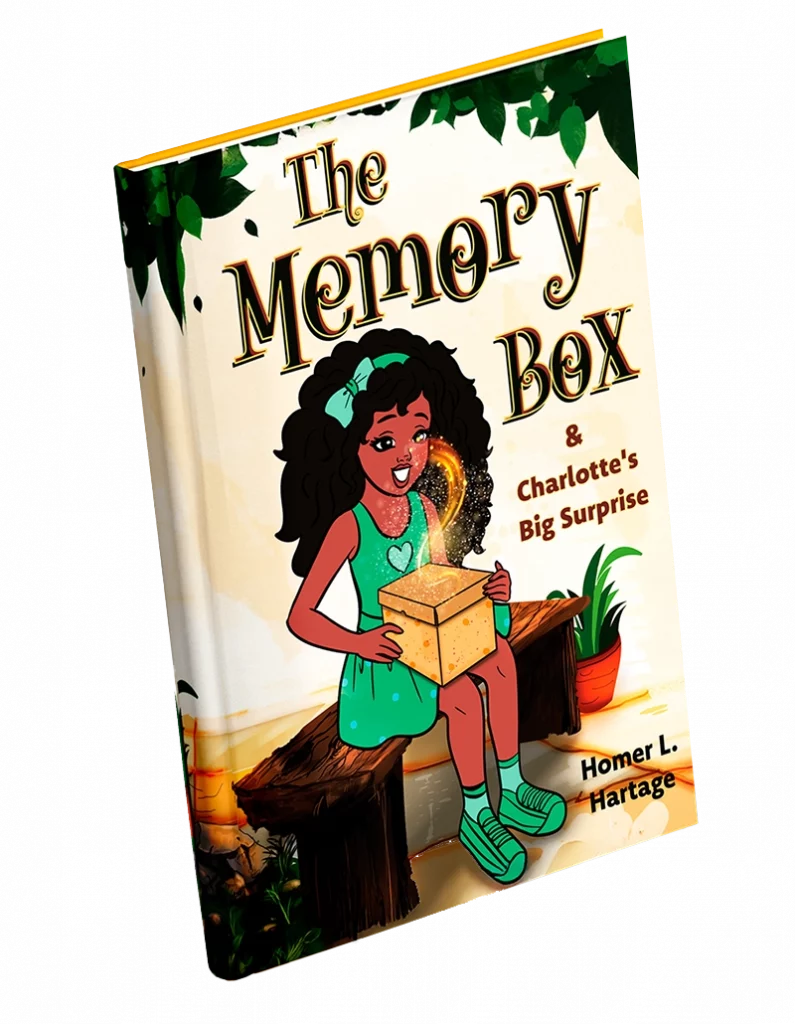
The Memory Box & Charlotte’s Surprise

A heartwarming story seen through the eyes of a child, exploring the complexities of Alzheimer’s disease, family bonds, and the profound impact of memory loss on young lives.

Story Blurb

When Charlotte’s beloved grandpa no longer recognizes her face, her world crumbles. Armed with a Memory Box filled with photographs, Charlotte embarks on an emotional journey of rediscovery.

1.TheMemoryBox_BookMockupOne

Where To Buy

Partner Bookstores

Scroll to Top