Guardianship Resource Center

Signs an Aging Parent May Need a Guardian

Most families don’t wake up one day and decide guardianship is necessary. It’s usually a slow accumulation of small, worrying moments, a missed bill here, a confused phone call there, until eventually someone says out loud what everyone has been quietly noticing: something has changed, and it isn’t getting better.

If you’re trying to figure out whether what you’re seeing in a parent or loved one has crossed the line from “needs a little help” to “may need a legally appointed guardian,” here are the signs that tend to matter most.

Financial Warning Signs

Money is often where cognitive decline shows up first, because managing finances requires sustained attention, working memory, and judgment, three things that erode early in many forms of dementia.

  • Unpaid bills piling up, or the same bill paid multiple times
  • Unusual or uncharacteristic financial decisions, large, unexplained withdrawals, new “friends” asking for money, or sudden generosity toward strangers or distant acquaintances
  • Falling for scams, particularly phone or online scams targeting seniors
  • Bank overdraft notices or bounced checks that didn’t happen before
  • Confusion about account balances, or an inability to explain recent transactions
  • New people appearing in a parent’s life who seem unusually interested in their finances

Any one of these could have an innocent explanation. A pattern of several, especially a worsening pattern over months, is a meaningful signal.

47
a mother reading book

Cognitive and Memory Signs

  • Repeating the same questions or stories within a single conversation
  • Getting lost in familiar places, the neighborhood they’ve lived in for decades, a regular store
  • Difficulty following a conversation or a recipe they’ve made for years
  • Forgetting the names of close family members, or confusing who’s who
  • Poor judgment in situations that used to be routine, leaving the stove on, wandering outside at night, letting strangers into the home
a mother reading book

Self-Care and Safety Signs

  • Declining personal hygiene, or wearing the same clothes for days
  • Weight loss, spoiled food in the refrigerator, or evidence they’re not eating regularly
  • Missed medications, doubled-up doses, or medication bottles that don’t match the prescribed schedule
  • Unexplained bruises or injuries, which can indicate falls they aren’t reporting
  • A home that’s become unsafe, clutter blocking exits, unpaid utility bills leading to shutoffs, hazardous conditions that didn’t exist before
  • Driving incidents, near-misses, or family members who’ve noticed unsafe driving they haven’t addressed
47

Medical and Behavioral Signs

  • A formal diagnosis of dementia, Alzheimer’s, or another condition that a physician has indicated will affect decision-making capacity
  • Sudden personality changes, increased agitation, paranoia, or uncharacteristic aggression
  • Withdrawal from social activities, hobbies, or relationships they used to value
  • Refusing necessary medical care, or an inability to understand and weigh a medical decision they’re facing
  • A sudden medical event (stroke, serious fall, psychiatric crisis) that has left capacity in question, with no legal documents in place

What These Signs Mean, And What They Don’t

Noticing one or two of these signs doesn’t automatically mean guardianship is the answer. Aging brings real changes, and not every forgotten appointment signals incapacity. What matters is the combination, the trend over time, and, critically, whether the person is still able to understand the consequences of their own decisions.

A useful way to think about it: capacity isn’t about whether someone makes decisions you agree with. It’s about whether they can understand the relevant information, weigh the consequences, and communicate a consistent choice. Someone can make choices you’d never make yourself and still have full capacity. The concern arises when they can no longer meaningfully do that weighing at all.


What to Do If You’re Noticing These Signs

  1. Start with a medical evaluation. A primary care physician, geriatrician, or neurologist can assess cognitive function and identify or rule out conditions that affect decision-making. This evaluation often becomes important documentation later, whether or not guardianship ends up being necessary.
  2. Check for existing legal documents. Does your parent already have a power of attorney, healthcare surrogate designation, or living will? If so, review whether those documents are still valid and whether the named agents are willing and able to serve. (Our article Guardian vs. Power of Attorney: What’s the Difference? explains what these documents can and can’t do.)
  3. Have the capacity conversation while you still can. If your parent still has some capacity, this is the moment to discuss, and potentially sign, a durable power of attorney or healthcare directive, before that window closes. Once capacity is fully lost, these documents can no longer be created.
  4. Document what you’re seeing. Keep notes on specific incidents, dates, what happened, who witnessed it. This kind of record becomes valuable if guardianship proceedings become necessary later.
  5. Talk to an elder law attorney. Even before you’re certain guardianship is needed, an attorney who specializes in this area can help you understand your options and what evidence a court would actually require.
  6. Involve the family early. Guardianship decisions go more smoothly, and are less likely to be contested, when siblings and other close family are looped in from the start rather than presented with a decision after the fact.

If you’ve reached the point where you believe guardianship may genuinely be necessary, our Guardianship Readiness Checklist walks through exactly what to gather, medically, financially, and legally, before you take the next step.

You’re Not Overreacting

One of the hardest parts of this stage is the self-doubt, wondering whether you’re overreacting, whether you’re the “difficult” child for raising it, whether your parent will ever forgive you for even considering it. Families who’ve been through this consistently say the same thing afterward: they wish they’d trusted what they were seeing sooner, rather than waiting for a crisis to force the decision. Noticing these signs isn’t disloyalty. It’s often the first real act of care in a process that’s about to ask a great deal more of you.

FamilyProfessionalGuardianship

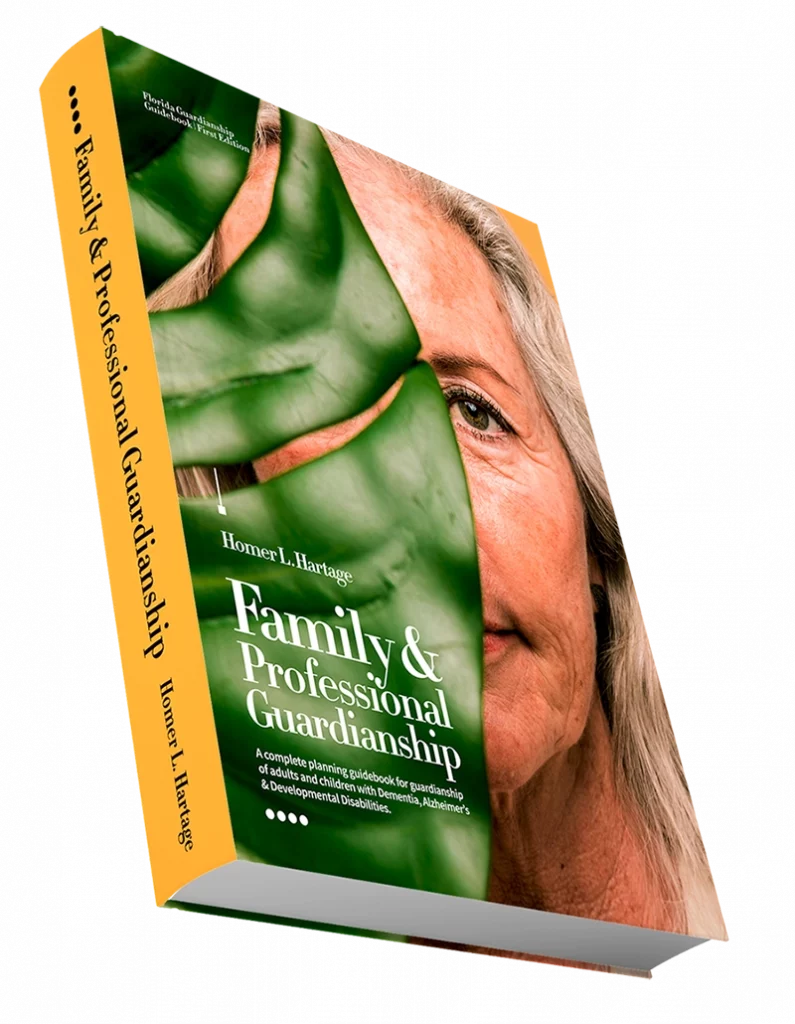
Family & Professional Guardianship

Provides useful information for individuals, families, and professional guardians, so that they can make informed decisions about the guardianship and care of their loved ones.

Guidance for Guardians

Are you navigating the fog of guardianship responsibilities? This book offers practical solutions grounded in laws and factual insights, ensuring you are never caught off guard.

FamilyProfessionalGuardianship

Where To Buy

Partner Bookstores

Scroll to Top