Curriculum & Educator Resource Center

Teaching The Memory Box in Kindergarten and First Grade

The published curriculum plans begin at grade 2, but kindergarten and first-grade teachers regularly ask whether, and how, this material can work for even younger students. It can, with a few specific adjustments. Five- and six-year-olds process big topics differently than eight-year-olds: they need shorter sessions, more concrete language, and more repetition. Here’s how to adapt the lesson for that age group.

What Changes for K-1 Students

Kindergarten and first-grade children think in very literal, concrete terms. Abstract explanations about memory and the brain tend to lose them quickly, while specific, sensory details, a photograph, a favorite song, a particular smell, hold their attention and understanding much better. At this age, the goal isn’t a deep discussion of Alzheimer’s as a disease; it’s simply giving children a first, gentle vocabulary for “sometimes people’s memories change,” anchored entirely in Charlotte’s concrete experience.

Session length should also shrink. Where the published one-day plan for grade 2 runs roughly 45-60 minutes, a K-1 version works better broken into two or three shorter sittings of 15-20 minutes each, since young children’s attention for emotionally rich material is naturally shorter.


19
21

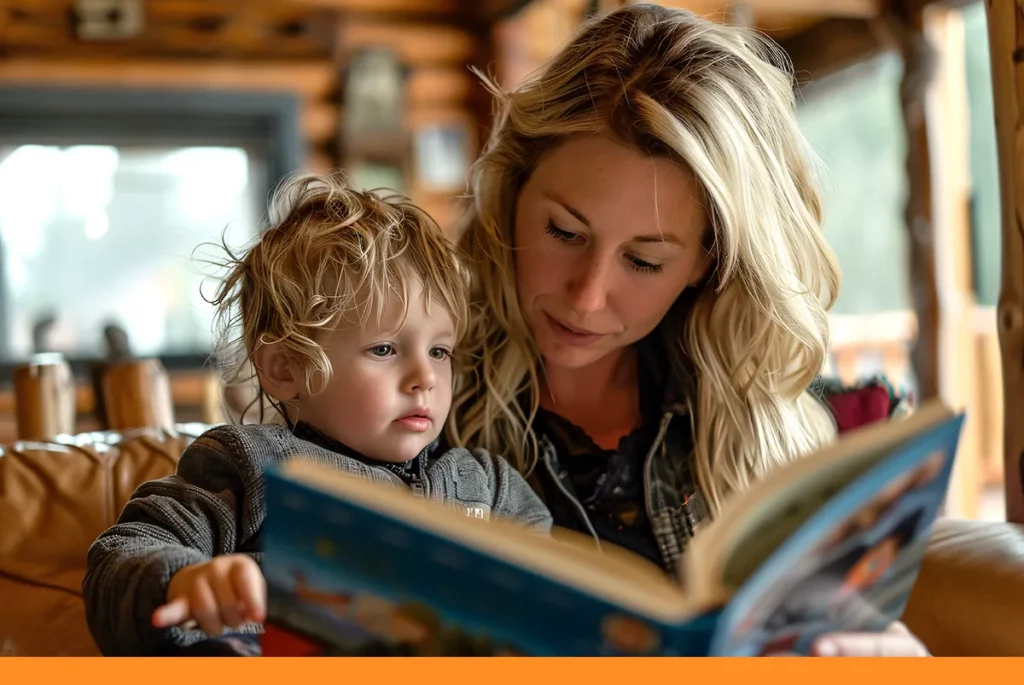
Reading the Story Aloud

  • Read slower than usual, and pause more often to ask simple, concrete questions: “What did Charlotte put in her box?” rather than “How do you think Charlotte felt?”
  • Point to illustrations as you read and let children look closely, young children process feelings through images as much as words.
  • Expect interruptions and questions mid-story. At this age, letting a child ask “why does he forget?” in the moment, rather than saving all questions for the end, usually works better than trying to preserve a strict read-through.
  • Plan to read the story more than once across the unit. Repetition is comforting at this age, and children often notice new details on a second or third reading.
21

Simplified Discussion Questions

Keep questions short, concrete, and answerable in a word or two, rather than open-ended:

  • “What are some of your favorite things to remember?”
  • “What did Charlotte’s grandpa forget?”
  • “What did Charlotte do to help him remember?”
  • “Do you have a grandma, grandpa, or someone else you love to spend time with?”

Avoid questions that ask children to speculate about feelings they haven’t directly experienced (“How do you think it feels to forget everything?”) in favor of questions rooted in the specific story details they just heard.

16
30

A Simplified Memory Box Activity

The full grade 2-5 activity, building a Memory Box with photographs and mementos, works for K-1 students too, with a lighter touch:

  • Use a simple container (a small box, a paper bag, or a decorated envelope) rather than expecting elaborate craft work
  • Focus on drawing rather than writing, most K-1 students can draw a memory more easily than they can write about one
  • Keep the prompt simple: “Draw a picture of someone you love, and something fun you remember doing together”
  • Do the activity as a whole-class or small-group session with an adult circulating to ask each child about their drawing, rather than expecting independent, silent work
30

What Not to Introduce at This Age

  • Avoid detailed explanations of what Alzheimer’s is medically, “sometimes when people get older, their brain has trouble holding onto memories the way it used to” is sufficient at this age.
  • Avoid discussing death or end-of-life directly unless a specific child raises it, and even then, keep the answer simple and immediate rather than expansive.
  • Avoid group discussion of any one child’s specific home situation. If a K-1 student shares something personal and upsetting during the group lesson, a brief, warm acknowledgment (“That sounds like something we can talk more about later, just us”) followed by a private follow-up works better than continuing the conversation in front of the class.

Involving Families

Because K-1 students often can’t fully process or explain a classroom lesson to their parents afterward, it’s worth sending a short note home describing the story and the simple Memory Box activity, so parents know the topic came up and can continue the conversation if their child brings it up at home.

When a K-1 Student Is Currently Living Through This

If you know a specific young student currently has a grandparent or parent experiencing memory loss, loop in your school counselor before the lesson. At this age, a private, one-on-one version of the Memory Box activity, rather than introducing it for the first time in front of the whole class, often works better for that individual child, even if the rest of the class does the group version.

Looking Ahead

For families and teachers wanting a slightly more structured version once children reach second grade, the published one-day and five-day curriculum plans for grade 2 build directly on the foundation this K-1 adaptation establishes, reusing the same story and Memory Box concept, with more developed discussion and activities appropriate for slightly older readers.

1.TheMemoryBox_BookMockupOne

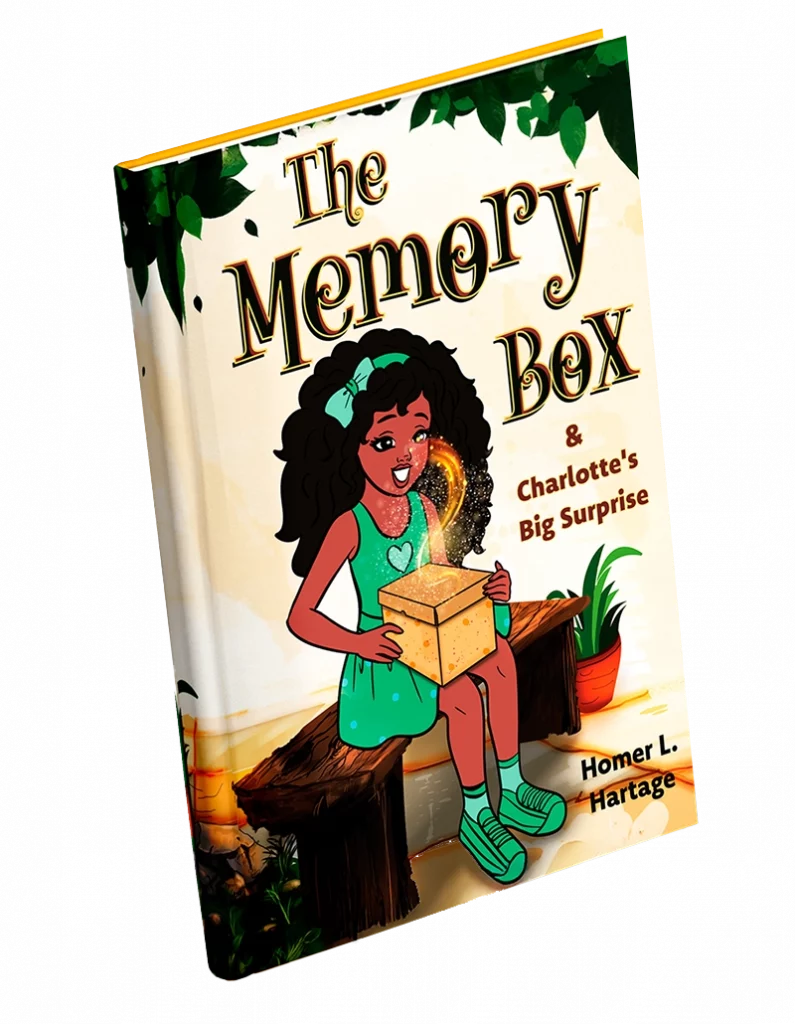
The Memory Box & Charlotte’s Surprise

A heartwarming story seen through the eyes of a child, exploring the complexities of Alzheimer’s disease, family bonds, and the profound impact of memory loss on young lives.

Story Blurb

When Charlotte’s beloved grandpa no longer recognizes her face, her world crumbles. Armed with a Memory Box filled with photographs, Charlotte embarks on an emotional journey of rediscovery.

1.TheMemoryBox_BookMockupOne

Where To Buy

Partner Bookstores

Scroll to Top