Curriculum & Educator Resource Center

Adapting The Memory Box for Middle School Readers

The published curriculum plans run through grade 5, but the story and themes in The Memory Box & Charlotte’s Big Surprise hold up well for middle school students, with a shift in how the material is framed. Where younger students engage with the story mostly through Charlotte’s direct experience, middle schoolers are ready for a more explicit conversation about what Alzheimer’s is, what caregiving actually involves, and how families navigate long-term illness. Here’s how to adapt the lesson for that age group.

What Changes for Middle School Students

By middle school, most students have either heard the word “Alzheimer’s” or “dementia” before, or have a family member affected by it, even if they haven’t had a real conversation about it. This age group is generally ready to move past the concrete, sensory framing that works for younger children and into a more direct discussion: what’s actually happening in the brain, what caregiving looks like day to day, and how families cope with a long illness rather than a single crisis.

Middle schoolers are also more capable of independent reading and reflection than a read-aloud format assumes. Consider having students read the story independently before the group discussion, reserving class time for the conversation itself rather than the reading.


23
29

Reframing the Discussion

Where a K-5 discussion centers on “how did Charlotte help her grandpa,” a middle school discussion can go further:

  • What do you think it’s like for Charlotte’s family, beyond just Charlotte herself? What might her parents be dealing with?
  • The book shows one way a family copes. What are some other ways families support a relative with memory loss that you’ve seen or heard about?
  • Why do you think stories like this are often told from a child’s point of view, even though adults experience it too?
  • Is it possible to feel love for someone and grief for how they’ve changed at the same time? What do you think that’s like?

These questions invite middle schoolers to think about the situation from multiple family members’ perspectives, rather than only Charlotte’s, a shift in perspective-taking that tends to land well at this developmental stage.

29

Introducing More Direct Information

Middle school is an appropriate age to introduce some straightforward, non-clinical facts about Alzheimer’s and dementia:

  • Alzheimer’s is a disease that affects the brain, most often in older adults, and it gets worse gradually over time rather than all at once
  • It’s not something the person is choosing, or something anyone did wrong, it’s a physical illness, not a personality change someone can control
  • There’s no cure yet, but there are treatments and support strategies that can help, and researchers continue working on new approaches
  • Many families use tools like memory boxes, photo albums, and familiar routines, like Charlotte does in the story, to help maintain connection even as memory changes

Keep this factual content brief and matter-of-fact rather than turning the lesson into a science unit, the goal is still emotional literacy and family connection, with just enough real information to satisfy a middle schooler’s more direct curiosity.

18.1

Connecting to Students’ Own Experience

Middle schoolers are more likely than younger children to have direct personal experience with a family member’s illness, and more likely to want to discuss it, or, just as often, to specifically not want to discuss their own situation in front of classmates. Structure the discussion so that:

  • General questions (about the book, about families in general) are asked to the whole group
  • Personal reflection questions are offered as optional journal prompts or private write-ups, rather than requiring students to share their own family situation out loud
  • Students are told clearly, upfront, that sharing personal experiences is optional, not expected

The Memory Box Activity for Middle School

The core activity, building a Memory Box, still works well at this age, but can be extended:

  • Have students choose a real family member (not necessarily one with memory loss) and build a box that captures what makes their relationship with that person meaningful
  • Add a written reflection component: a short paragraph about why they chose the items they did
  • For students comfortable sharing, allow (but don’t require) a brief presentation of their box to the class or a small group

A Note on Sensitivity

Middle school is an age where some students may be actively experiencing a parent’s or grandparent’s serious illness, and possibly grieving a recent loss. As with any age group, check in with your school counselor beforehand if you’re aware of a student in this situation, and be prepared for a wider range of emotional reactions than you’d see in a younger classroom, including students who deflect with humor, or who seem unaffected on the surface but process it more visibly later.

Building on the Published Curriculum

This middle school adaptation is designed to extend directly from the grade 5 curriculum plans already published, reusing the same core story and Memory Box concept, with deeper discussion questions and more independent reflection appropriate for older students.

1.TheMemoryBox_BookMockupOne

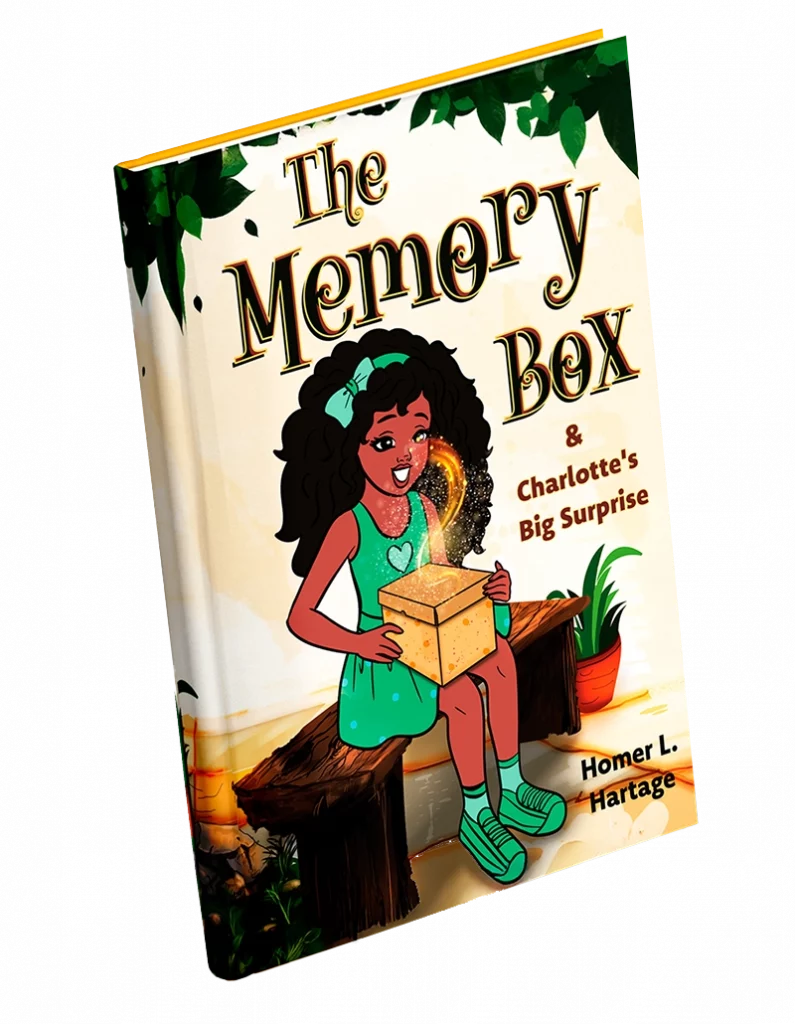
The Memory Box & Charlotte’s Surprise

A heartwarming story seen through the eyes of a child, exploring the complexities of Alzheimer’s disease, family bonds, and the profound impact of memory loss on young lives.

Story Blurb

When Charlotte’s beloved grandpa no longer recognizes her face, her world crumbles. Armed with a Memory Box filled with photographs, Charlotte embarks on an emotional journey of rediscovery.

1.TheMemoryBox_BookMockupOne

Where To Buy

Partner Bookstores

Scroll to Top