Guardianship Resource Center
What Does a Professional Guardian Do?
When a court decides that someone can no longer manage their own affairs, it doesn’t just hand that responsibility to whoever happens to be nearby. It appoints a guardian, someone with legal authority, legal accountability, and a defined set of duties. When that person is a professional guardian rather than a family member, the role looks a little different than most people expect.
Here’s what a professional guardian actually does, day to day and case to case.
Legal Authority, Not Just Good Intentions
A professional guardian’s authority comes directly from a court order. That order spells out exactly what the guardian can and can’t decide, which is why the first thing any professional guardian does on a new case is read the order carefully. Guardianship isn’t a blanket takeover of someone’s life; it’s a specific, court-defined scope of decision-making, and a guardian who exceeds that scope can be held accountable by the court.
This matters because it’s the opposite of how people often picture guardianship. It isn’t one person unilaterally taking control. It’s a court-supervised role with real boundaries.
Guardian of the Person: Daily Care Decisions
When a professional guardian is appointed as “guardian of the person,” their responsibilities typically include:
- Deciding where the individual lives, whether that’s remaining at home with support, moving to assisted living, or transitioning to skilled nursing care
- Making medical decisions, including consenting to treatments, choosing physicians, and, in some cases, making end-of-life care decisions in line with the person’s known wishes
- Monitoring day-to-day well-being, nutrition, hygiene, safety, and social connection
- Coordinating with doctors, care facilities, home health aides, and family members to keep care consistent
A good guardian doesn’t make these decisions in isolation. Part of the job is gathering input, from family, from prior statements the person made about their own wishes, and from medical professionals, before deciding.
Guardian of the Property: Managing Finances
When the role includes “guardian of the property” (sometimes called guardian of the estate), the responsibilities shift toward financial stewardship:
- Managing bank accounts, paying bills, and handling income such as Social Security or pension payments
- Protecting and managing real estate, investments, and other assets
- Filing required tax returns
- Preventing financial exploitation, a genuinely common risk for isolated or cognitively impaired adults
- Maintaining detailed financial records, because guardians of the property are almost always required to file periodic accountings with the court
This isn’t informal bookkeeping. Courts expect documentation, and a professional guardian typically maintains far more rigorous records than an informal family caregiver might.
Reporting Back to the Court
This is the part of the job that’s easy to overlook but impossible to skip: professional guardians answer to a judge. Depending on the state and the case, that typically means:
- Filing an initial care plan or asset inventory shortly after appointment
- Submitting annual (or more frequent) reports on the ward’s condition and well-being
- Filing periodic financial accountings showing exactly how funds were spent
- Appearing in court if the guardianship is reviewed, challenged, or modified
This ongoing oversight is one of the central protections built into the guardianship system. It’s also one of the clearest differences between a professional guardian and simply having a family member “handle things” informally, the paper trail and court review exist specifically so that vulnerable individuals aren’t left unprotected.
How a Professional Guardian Differs From a Family Guardian
Family members can serve as guardians, and often do. A professional guardian is typically brought in when:
- There’s no family member willing or able to take on the role
- Family relationships are strained or conflicted enough that the court prefers a neutral party
- The situation involves complex finances, multiple properties, or a business that requires specialized management
- The family agrees that a trained professional, with experience navigating the system, will serve their loved one better than an untrained relative learning as they go
A professional guardian typically carries certification (in many states, this is a formal credentialing process), professional liability insurance, and, critically, experience managing the exact kind of reporting, documentation, and court interaction that first-time family guardians often find overwhelming.
That said, professional guardianship isn’t a replacement for family involvement. The best professional guardians actively include family members in decisions where appropriate, keeping them informed and involved even though the legal authority sits with the guardian.
How a Professional Guardian Is Appointed
A professional guardian doesn’t self-select into a case. The typical path looks like this:
- A petition for guardianship is filed with the court, often by a family member who recognizes they either can’t or shouldn’t serve in the role themselves.
- The court’s evaluation process determines the person’s level of incapacity and the scope of guardianship needed.
- At the hearing, the court considers who is best suited to serve, sometimes a specific professional guardian is nominated in the petition, sometimes the court appoints one from a court-approved list.
- Once appointed, the professional guardian is sworn in, and their authority begins as defined by the court’s order.
What Professional Guardianship Costs
Professional guardians are compensated for their time and services, typically through the ward’s estate, at rates set or approved by the court. Fees vary widely depending on jurisdiction, the complexity of the case, and local court rules, this is a conversation worth having directly and in writing before a guardian is appointed, so the family understands what to expect. Courts generally review and approve guardian fees as part of their oversight function, which provides a check against excessive charges.
When a Professional Guardian Is the Right Choice
Professional guardianship tends to be the right fit when:
- No family member is available, willing, or well-suited to the role
- The family wants to avoid the emotional strain of one relative holding legal power over another’s life and finances
- The estate or care needs are complex enough to benefit from professional experience
- The family has concerns about impartiality and wants a neutral party managing decisions
If you’re trying to decide whether a professional guardian, versus a family member, is the right path for your situation, our companion article, How to Choose a Professional Guardian, walks through the credentials, questions, and red flags to consider before making that decision.

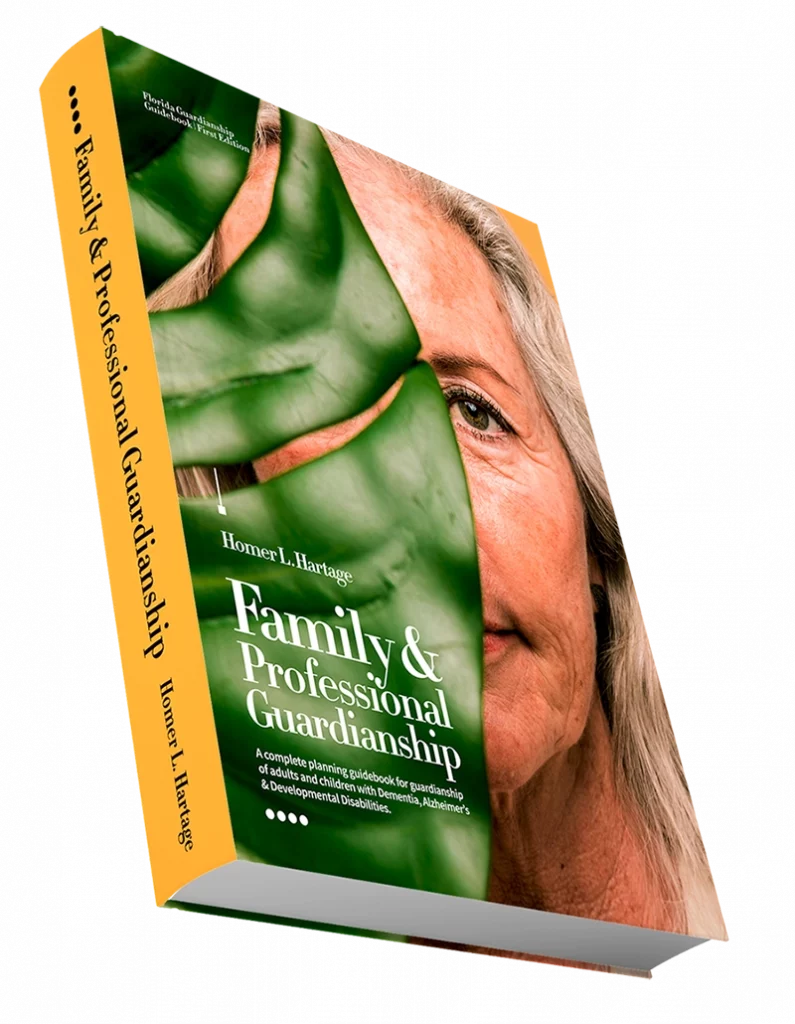
Family & Professional Guardianship
Provides useful information for individuals, families, and professional guardians, so that they can make informed decisions about the guardianship and care of their loved ones.
Guidance for Guardians
Are you navigating the fog of guardianship responsibilities? This book offers practical solutions grounded in laws and factual insights, ensuring you are never caught off guard.
Where To Buy