Parent Discovery Resource Center

Talking to Siblings and Teens About a Grandparent’s Diagnosis

Most guidance on talking to children about memory loss focuses on young children, which makes sense, since that’s often where the conversation starts. But families with multiple children, or with teenagers, face a different challenge: how do you talk to kids at very different developmental stages about the same family situation, without either overwhelming the youngest or talking down to the oldest?

Why the Conversation Needs to Change With Age

A five-year-old and a fifteen-year-old are absorbing fundamentally different amounts of information from the same situation. The teenager may already understand, at least in outline, what Alzheimer’s is, may have looked it up online without telling you, and may be quietly worrying about things the younger sibling hasn’t even considered, genetics, prognosis, what happens as the disease progresses, how it will affect holidays and family dynamics for years to come.

Trying to have one single family conversation, pitched at a level that works for everyone, usually shortchanges both ends: too simple for the teenager, too much for the younger child. Most families do better with separate, age-appropriate conversations, even when the underlying facts are the same.
47
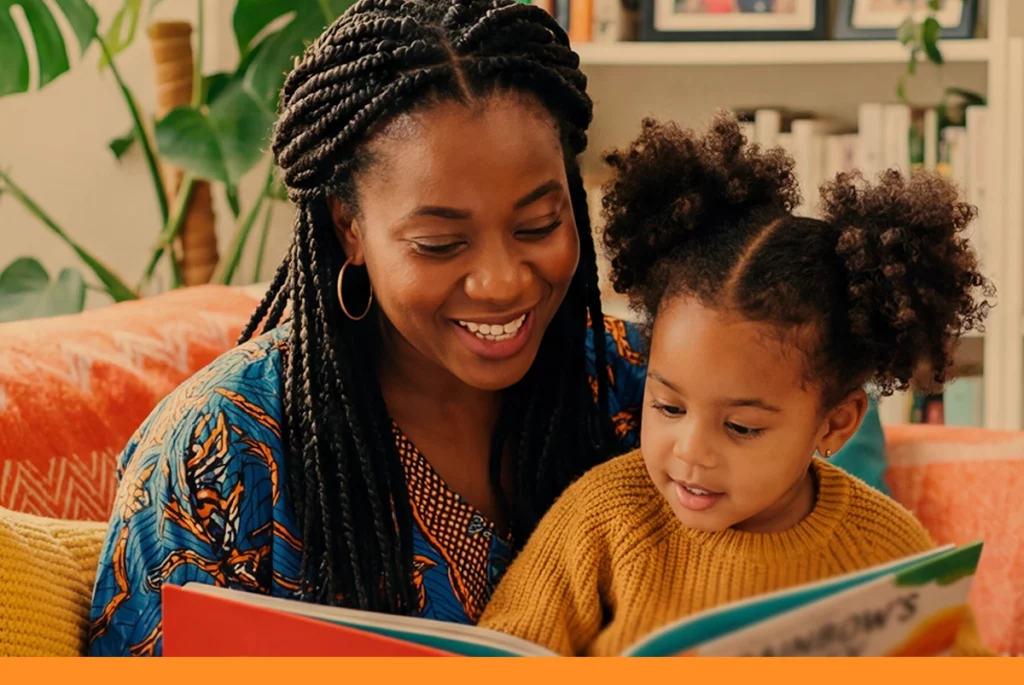
a mother reading book

Talking to Teenagers

Teenagers are generally ready for direct, factual information, and often prefer it to a softened version they can tell is being simplified for them. A few things to keep in mind:

  • Give them real information. Teens can usually handle a fuller explanation of what Alzheimer’s is, how it progresses, and what to expect, without needing the concrete analogies younger children rely on.
  • Expect a wider range of reactions. Some teenagers want to talk extensively; others withdraw or seem indifferent on the surface while processing intensely underneath. Both are normal, and pushing a reluctant teen to “open up” on your timeline rarely works as well as letting them come to you.
  • Address genetic and personal fears directly, even if they don’t ask. Teenagers are old enough to wonder whether Alzheimer’s runs in the family, or whether this could eventually happen to a parent, or even to them. Bringing this up proactively, “Some people wonder if this could happen to them someday. It’s a fair thing to think about, and here’s what we actually know”, tends to work better than waiting for them to ask a question they may feel embarrassed or morbid raising themselves.
  • Give them a role, if they want one. Many teenagers find it easier to process a grandparent’s decline by being useful, helping with visits, learning how to redirect a confused conversation gently, or contributing to a family photo project. Purposeful involvement, offered without pressure, often helps more than conversation alone.
  • Watch for signs of taking on too much. Older children and teenagers sometimes start quietly absorbing adult-level caregiving responsibility or emotional labor within the family, checking in on a parent’s stress, managing a younger sibling’s reactions, or feeling responsible for keeping the family calm. If you notice this happening, it’s worth actively redistributing that weight rather than letting a teenager become an unofficial second parent.
a mother reading book

Talking to School-Age Siblings (Ages 6-11)

Children in this range sit between the very concrete needs of a five-year-old and the fuller understanding a teenager can handle. They can usually manage a more detailed explanation than a five-year-old, including a basic understanding of what Alzheimer’s is and how it progresses, but still benefit from concrete language over abstract medical detail, and from clear, repeated reassurance about blame and love.

This age group often asks very direct, sometimes startling questions in front of other family members (“Is Grandma going to die soon?” asked loudly at a family dinner). It helps to have your calm, honest answers ready in advance, since children this age don’t always read the room before asking something big.

47

Managing Different Ages in the Same Household

A few practical approaches help when siblings of different ages are absorbing the same family news:

  • Have separate conversations when the content genuinely differs, rather than trying to find one explanation that works for everyone. It’s fine for an older child to know more than a younger one.
  • Ask older siblings not to “correct” or add extra detail when a parent is giving a simpler explanation to a younger child, this is a common source of tension, and worth addressing directly (“I know you understand more about this, and that’s okay, let’s talk about the fuller picture separately”).
  • Watch for a younger child picking up an older sibling’s anxiety. Kids are perceptive about tone even when they don’t understand content, and a worried teenager can unintentionally alarm a younger sibling just through body language and mood.
  • Let siblings support each other, when it’s healthy to do so. An older child gently explaining something to a younger one, in age-appropriate terms and without adding their own unprocessed fear, can actually reinforce a family sense of “we’re handling this together”, as long as it’s not putting undue responsibility on the older child.

When One Sibling Is Struggling More Than Another

It’s common for one child in a family to take a grandparent’s decline much harder than a sibling does, sometimes the child who was especially close to that grandparent, sometimes simply due to temperament or age. This isn’t something to correct or smooth over; different reactions to the same loss are normal, and comparing siblings’ reactions (“Your brother isn’t this upset about it”) tends to backfire. Each child’s response deserves its own space and its own pace.

If a Teen or Sibling Is Worried About Their Own Memory

Older children and teenagers sometimes develop a specific anxiety about their own future risk, especially if Alzheimer’s runs in the family or if they’ve done independent research online. If this comes up in your household, our article “Will I Forget Things Too?” addresses this fear directly, with language that can be adapted for both younger children and teenagers.

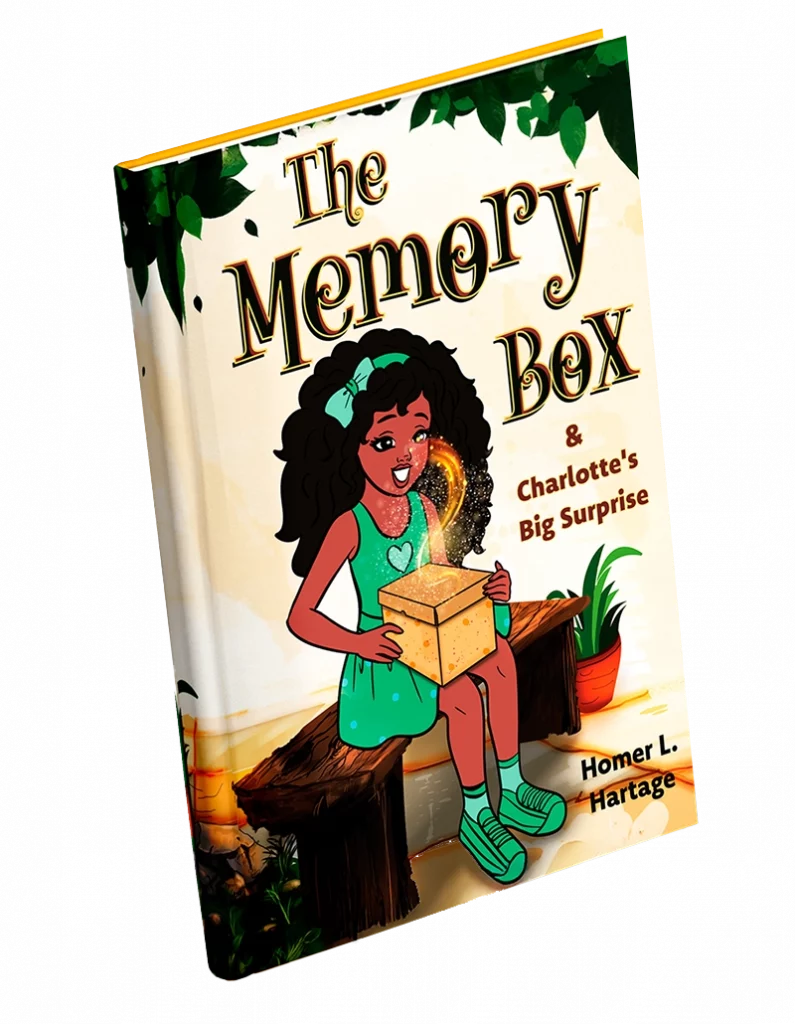
1.TheMemoryBox_BookMockupOne

The Memory Box & Charlotte’s Surprise

A heartwarming story seen through the eyes of a child, exploring the complexities of Alzheimer’s disease, family bonds, and the profound impact of memory loss on young lives.

Story Blurb

When Charlotte’s beloved grandpa no longer recognizes her face, her world crumbles. Armed with a Memory Box filled with photographs, Charlotte embarks on an emotional journey of rediscovery.

1.TheMemoryBox_BookMockupOne

Where To Buy

Partner Bookstores

Scroll to Top